
For information on how we process your data, read our Privacy Policy
Description
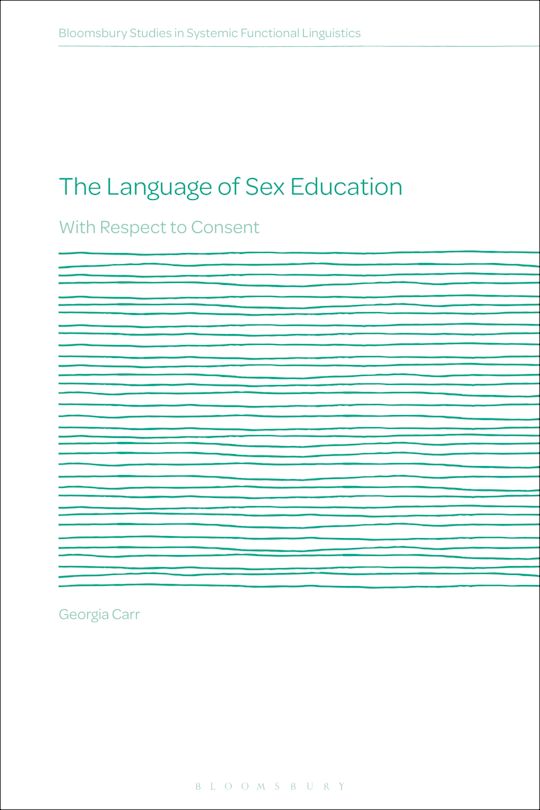
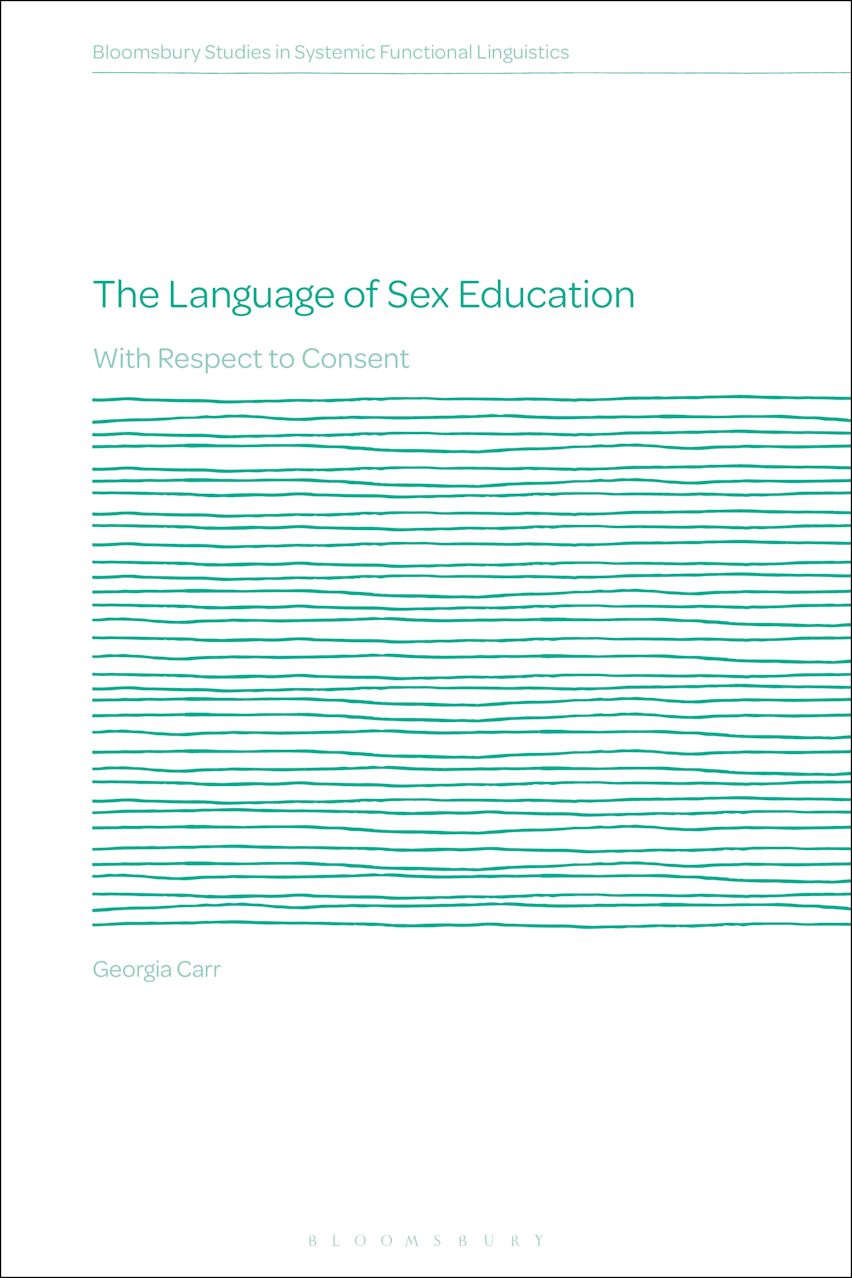
This book offers a deep dive into sex education pedagogy in the Australian context, taking a close look at the language used to teach the key topics of consent and respect.
It examines questions students ask, how teachers accommodate different beliefs in their classrooms, and how students learn about more values-based topics including consent, respectful relationships, and gender and sexuality diversity. It also considers what teaching and assessment looks like over the course of a school term and what makes a 'successful' student. In short it answers the question – how is sex education actually taught?
The Language of Sex Education provides the first book-length treatment of the language of sex education, offering a detailed account of pedagogy from the perspective of Systemic Functional Linguistics. The study is situated in the Australian context, though has broader relevance to places such as New Zealand, North America, and the United Kingdom whose sex education is historically and culturally comparable to that of Australia.
The book provides descriptions of the key topics of consent and respect, illustrating how teachers impart technical knowledge and how they support students to adopt and challenge the nuanced values needed when engaging with sex education. It does this through new descriptions of key linguistic resources of technicality and iconization that synthesize the central knowledge and values of the field. Through these descriptions and analyses, this book not only provides a detailed account of sex education pedagogy, but also offers new insights into the role of language in building fields and building communities.
Table of Contents
List of Tables
Acknowledgements
Part I: What is Sex Education?
1. Laws and Values: Sex Education in School
2. The Sex Education Classroom
Part II: Teaching Consent
3. Technicalising Consent
4. Learning Consent
Part III: Teaching Respect
5. Iconising Respect
6. Learning Respect
Part IV: Learning Values with Knowledge
7. Interpersonal Education: Beyond Ideation
References
Index
Product details

| Published | Jan 09 2025 |
|---|---|
| Format | Ebook (Epub & Mobi) |
| Edition | 1st |
| Extent | 236 |
| ISBN | 9781350461093 |
| Imprint | Bloomsbury Academic |
| Illustrations | 23 bw illus |
| Series | Bloomsbury Studies in Systemic Functional Linguistics |
| Publisher | Bloomsbury Publishing |
Reviews
Related Titles