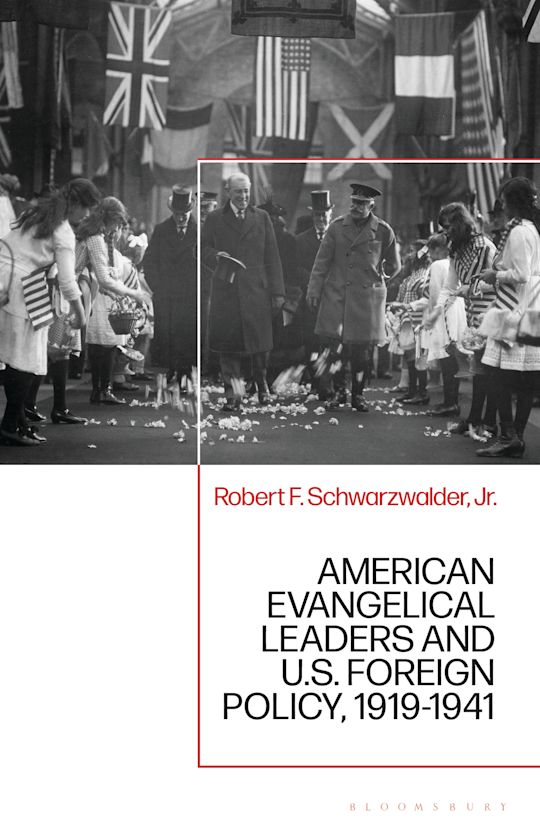

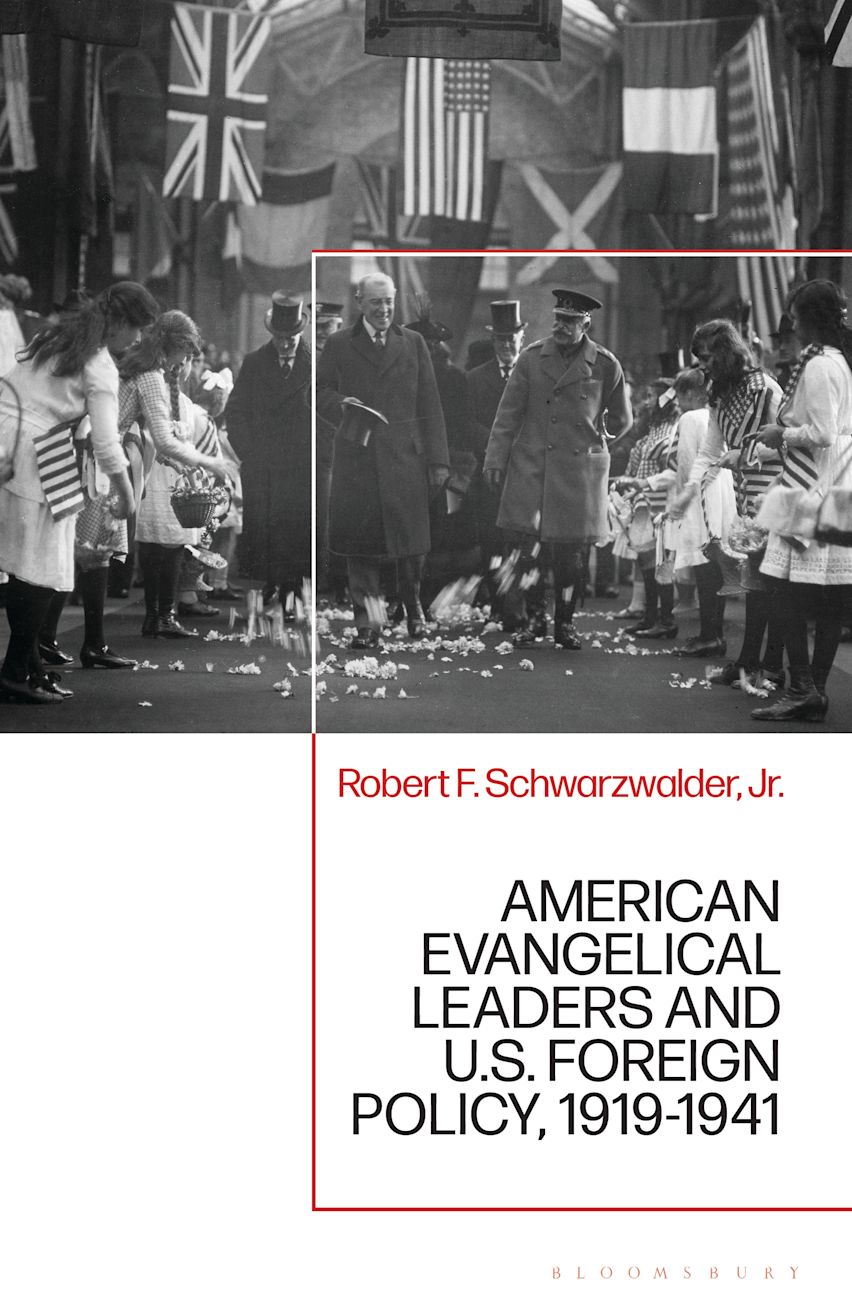
American Evangelical Leaders and U.S. Foreign Policy, 1919-1941
Buying pre-order items
Your pre-order item will usually be processed for shipping shortly before the publication date.
Payment for this pre-order will be taken when the item becomes available
- Delivery and returns info
-
Free US delivery on orders $35 or over
Description
This book argues that while the interwar period is generally seen as a period of Evangelical withdrawal from American public life, Evangelical leaders of varying sub-groups remained acutely aware of foreign affairs, speaking on US foreign affairs to large groups of congregants and beyond. Contributing to the spread of themes that emerged during this era regarding concerns of anti-Semitism, skepticism of the League of Nations, and preoccupation on biblical prophecy seen in current events. Schwarzwalder analyzes the theological, sectarian, and political views of Evangelical leaders during this time.
Table of Contents
1. Who Were the Evangelicals of the Early Twentieth Century?
2. Speaking to a “Trembling World:” Arno Gaebelein and Evangelical Fundamentalism
3. The Reformed Intellectual: J. Gresham Machen and International Affairs
4. Southern Baptists: George Washington Truett and the Longing for Global Peace
5. “Not Included in Freedom” – African-Americans and Foreign Affairs
6. Pentecostals Interpreting the Signs of the Times
Conclusion
Product details

| Published | Oct 29 2026 |
|---|---|
| Format | Hardback |
| Edition | 1st |
| Pages | 256 |
| ISBN | 9798765161753 |
| Imprint | Bloomsbury Academic |
| Illustrations | 3 bw tables & figures |
| Dimensions | 9 x 6 inches |
| Publisher | Bloomsbury Publishing |

Reviews
Related Titles