Tunisian Literatures
Multilingual Realities, Genealogies, Testimonies
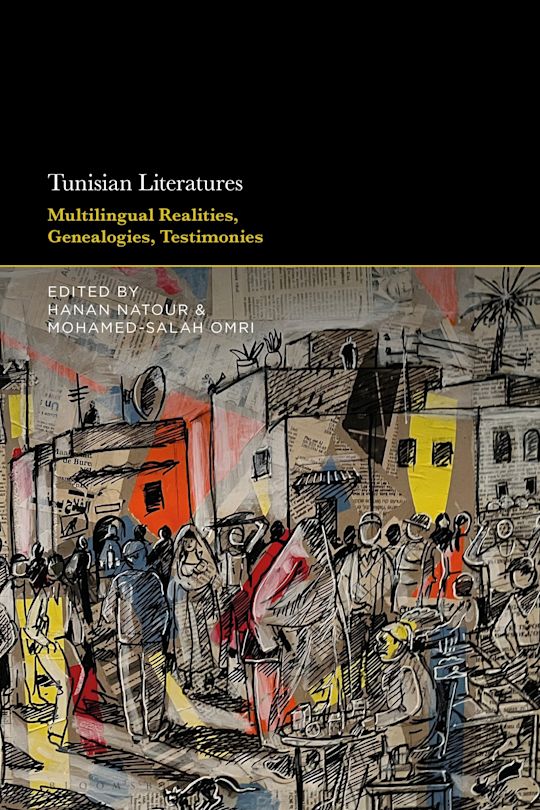

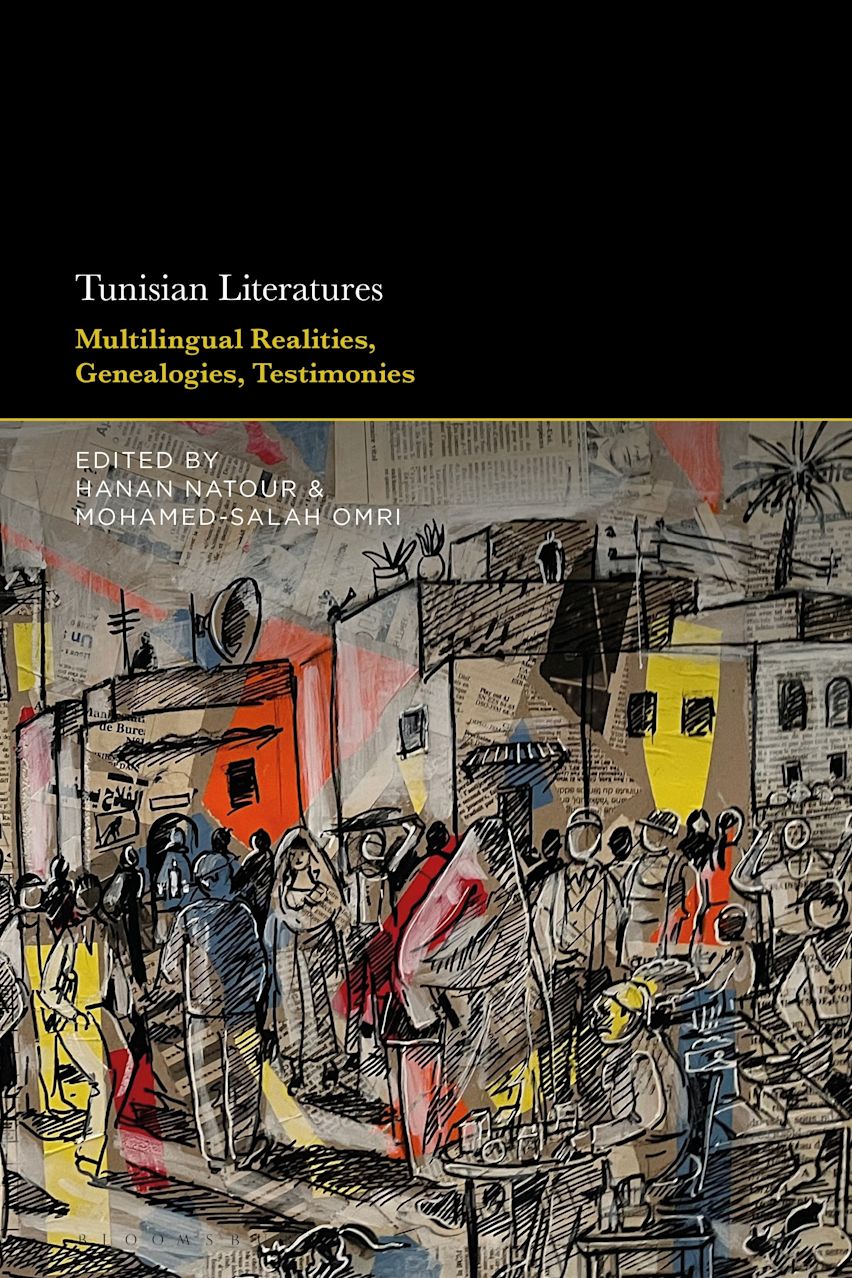
Tunisian Literatures
Multilingual Realities, Genealogies, Testimonies
For information on how we process your data, read our Privacy Policy
Description
This carefully curated collection is the first English-language volume focusing on the varieties of modern Tunisian literatures.
Unlike most national literatures in the Middle East and North Africa, Tunisian literature roams large across languages and modes. Yet, its study remains fragmented along linguistic divisions, selective and woefully underrepresented in the anglophone world. Tunisian Literatures aims to redress this imbalance and fill this gap not by moving away from canonical figures and case studies but by being inclusive, open and dynamic.
The 13 chapters of this volume explore the multiple facets of Tunisian literature in the modern period, from the anti-colonial movement of the first half of the 20th century to the present, embracing its plurilinguality, its literary historical genealogies and testimonial functions during times of profound political and social change. The chapters cover poetry, fiction and drama written in Arabic, French and variations of the local dialect (darija).
The contributors approach Tunisian literatures from various angles: introducing concepts and formative authors and trends, and considering Tunisian literature in light of foundational historical and political events, such as the country´s independence in 1956 and the Uprisings of 2010-11, referred to in Tunisia as the Revolution (thawra). Together, these perspectives set the ground for a discussion of Tunisian literary voices within their significant geographies, locally and globally. They also pay special attention to points of intersection and confluence within this multilingual literary corpus.
Accessibility Information
Additional accessibility information
- EPUB 3.0
- Conforms with the requirements of EPUB Accessibility Spec v1.1
- WCAG level AA
- WCAG v2.2 compliant
- accessibility@bloomsbury.com
Hazards
The publication contains no hazards
Support for non-visual reading
- No accessibility features offered by the reading system, device or reading software are disabled or otherwise unusable with the product
- Has alternative text descriptions for images
Visual adjustments
Appearance of the text and page layout can be modified according to the capabilities of the reading system (font family and size, spaces, as well as color of background and text)
Navigation
- Page list to go to pages from the print source version
- Elements such as headings, tables, etc for structured navigation
- All or substantially all textual matter is arranged in a single logical reading order
- Content is enhanced with ARIA roles to optimize organization and facilitate navigation
- Purposes of all links are made clear
Rich content
Language tagging provided
Table of Contents
Mohamed-Salah Omri (University of Oxford, UK) and Hanan Natour (Freie Universität Berlin, Germany)
Part I: Multilingual Realities
1. Literature and the Language Question in Tunisia
Mohamed-Salah Omri (University of Oxford, UK)
2. Between Qawmiyya and Tarafud: The Vernacular Confluencies of Abu Gishsha (1908-1911) and al-Dardanil (1911)
Ben Koerber (Rutgers University, USA)
3. Lyrical Hybridity: Generic Crossroads in Adam Fathi's Poetry
Hager Ben Driss (University of Tunis, Tunisia)
4. The World Reads Tunisia: Literary Translation, Achievements and Challenges
Nabil Cherni (University of Manouba, Tunisia)
Part II: Genealogies and Trajectories
5. Trends and Movements of the Tunisian Novel in Arabic
Hanan Natour (Freie Universität Berlin, Germany)
6. A Genealogy of Tunisian Women's Writings
Douja Mamelouk (South Mediterranean University, Tunisia)
7. The Tunisian Novel in French: Between Retrospective and New Literary Perspectives
Sonia Zlitni-Fitouri (University of Tunis, Tunisia)
8. The Political Allegory in Modern Tunisian Arabic Poetry
Fethi Nasri (University of Tunis, Tunisia)
Part III: Memory, Trauma, Testimony
9. Writing History in the Tunisian Novel
William Granara (Harvard University, USA)
10. Memory and Trauma in Tunisian Theatre: 26 January 1978 in Ghassalat Enwader (1980) and Yahia Yaïch (2010)
Lamia Benyoussef (Santa Clara University)
11. Literature in French and the Tunisian Revolution: Corporeal Resistance in Azza Filali's Les Intranquilles
Siobhán Shilton (University of Bristol, UK)
12. Explorations of Origins: Father Figures in Arabic and Francophone Post-Revolutionary Tunisian Novels
Charlotte Pardey (Independent Scholar, Germany)
13. Testimonies of the Tunisian Uprising: Women Intellectuals, Space, Gender and Ideology
Rania Said (University of Massachusetts Boston, USA)
Works Cited
Index
Product details

| Published | 06 Aug 2026 |
|---|---|
| Format | Ebook (Epub & Mobi) |
| Edition | 1st |
| Pages | 240 |
| ISBN | 9798765166390 |
| Imprint | Bloomsbury Academic |
| Publisher | Bloomsbury Publishing |

Reviews
Related Titles