
Buying pre-order items
Ebook and audiobook pre-orders will be delivered on the publication date.
Payment for this pre-order will be taken when the item becomes available
Description
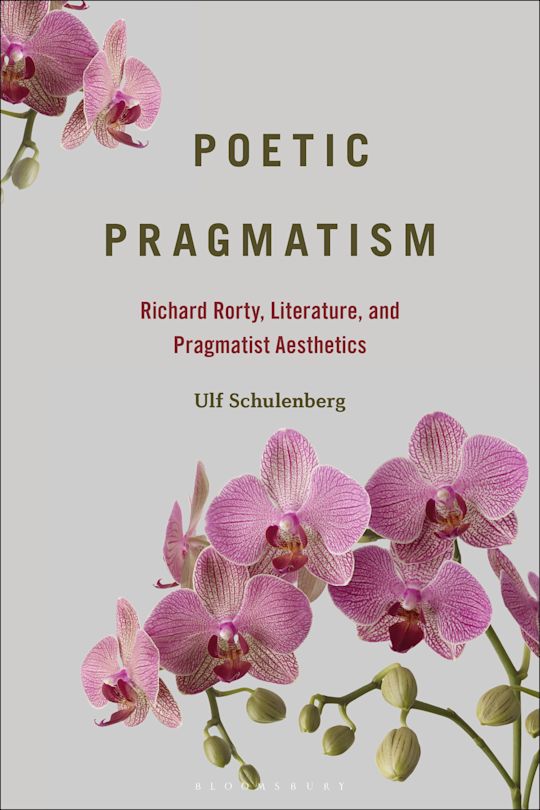
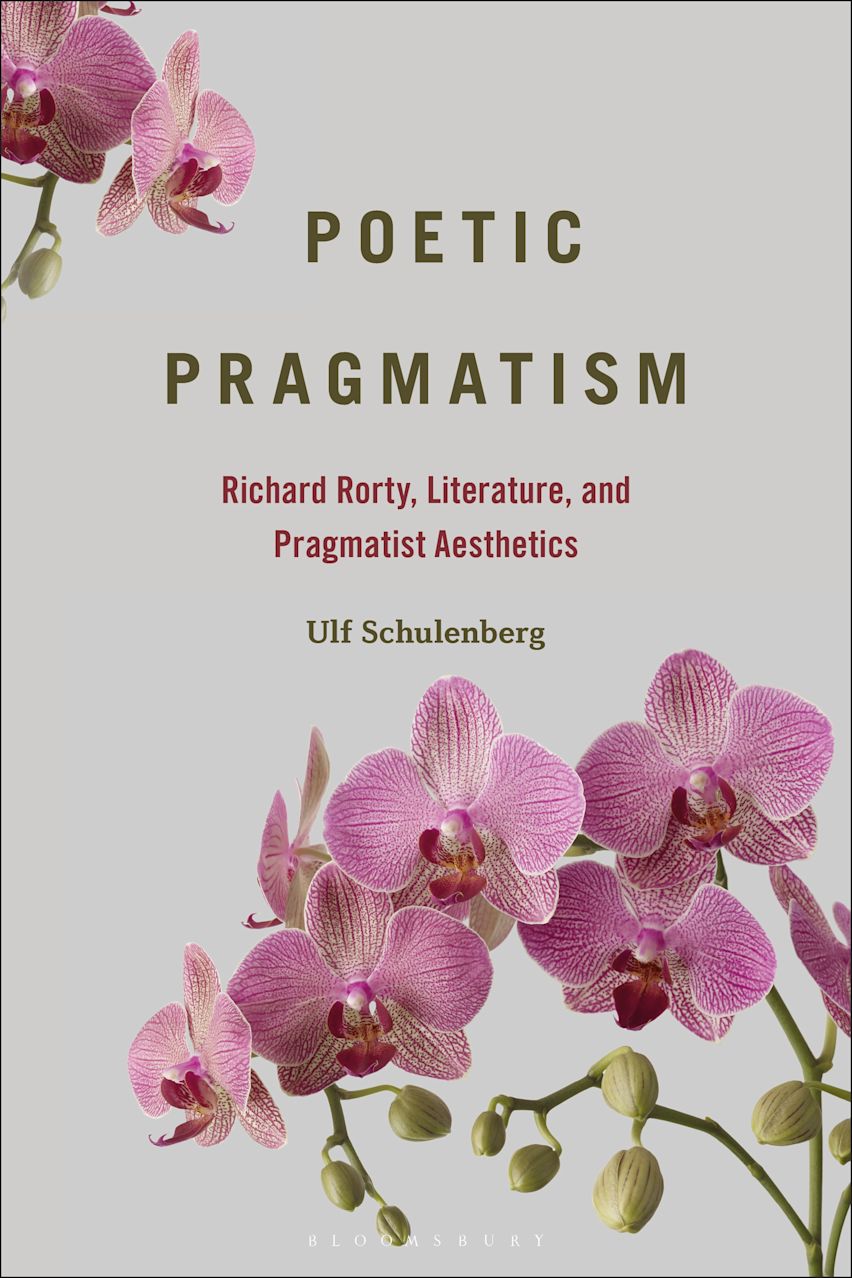
The first detailed discussion of Richard Rorty's understanding of literature and aesthetics, which engages with a broad range of writers, including Emerson, Nietzsche, and Proust.
For most of his career, at least since the publication of Philosophy and the Mirror of Nature in 1979, Richard Rorty called his readers' attention to the importance of the poets' work. Indeed, Ulf Schulenberg argues that Rorty's version of pragmatism should be regarded as a poetic pragmatism, since it elucidates the significance of poetic agency, human creativity, and idiosyncratic acts of poiesis for the development of mankind, constantly stressing – in a clearly Romantic gesture – the power of the imagination.
Poetic Pragmatism explains why one should speak of Rorty's poetic pragmatism and what makes it poetic. In readings of writers such as Whitman, Nietzsche, Nabokov, and Kundera through and alongside Rorty, Schulenberg also offers the first detailed discussion of Rorty's understanding of literature and aesthetics and illuminates the role of Rorty's anti-authoritarianism, focusing in particular on the anti-authoritarian potential of aesthetic form.
Poetic Pragmatism suggests that in a Rortyan poeticized culture the development from religion (God) to philosophy (Truth) to literature (imagination, novelty, plurality, redescription) is an anti-authoritarian and humanist story of increasing self-reliance and self-creation, a development from finding to making that is central to Rorty's pragmatism.
Accessibility Information
Additional accessibility information
- EPUB 3.0
- Conforms with the requirements of EPUB Accessibility Spec v1.1
- WCAG level AA
- WCAG v2.2 compliant
- accessibility@bloomsbury.com
Hazards
The publication contains no hazards
Support for non-visual reading
- No accessibility features offered by the reading system, device or reading software are disabled or otherwise unusable with the product
- Has alternative text descriptions for images
Visual adjustments
Appearance of the text and page layout can be modified according to the capabilities of the reading system (font family and size, spaces, as well as color of background and text)
Navigation
- Page list to go to pages from the print source version
- Elements such as headings, tables, etc for structured navigation
- All or substantially all textual matter is arranged in a single logical reading order
- Content is enhanced with ARIA roles to optimize organization and facilitate navigation
- Purposes of all links are made clear
Table of Contents
Introduction
Part I. Rorty and Literature
1. Sentimental Education, Anti-Authoritarianism, and the Novel
2. Romanticism
3. Nietzsche
4. Proust and the Ironist Novel
5. The Novel of Social and Moral Protest
6. Milan Kundera and the Art of the Novel
7. A Literary or Poeticized Culture
Part II. Rorty and Aesthetics
8. Pragmatist Aesthetics and Form
9. Rorty and the Avant-Garde
10. Aesthetics and Anti-Authoritarianism
Conclusion
Notes
References
Index
Product details

| Published | 15 Oct 2026 |
|---|---|
| Format | Ebook (Epub & Mobi) |
| Edition | 1st |
| Pages | 288 |
| ISBN | 9798216443728 |
| Imprint | Bloomsbury Academic |
| Publisher | Bloomsbury Publishing |
Reviews
Related Titles