Greek Superpower
Sparta in the Self-Definitions of Athenians
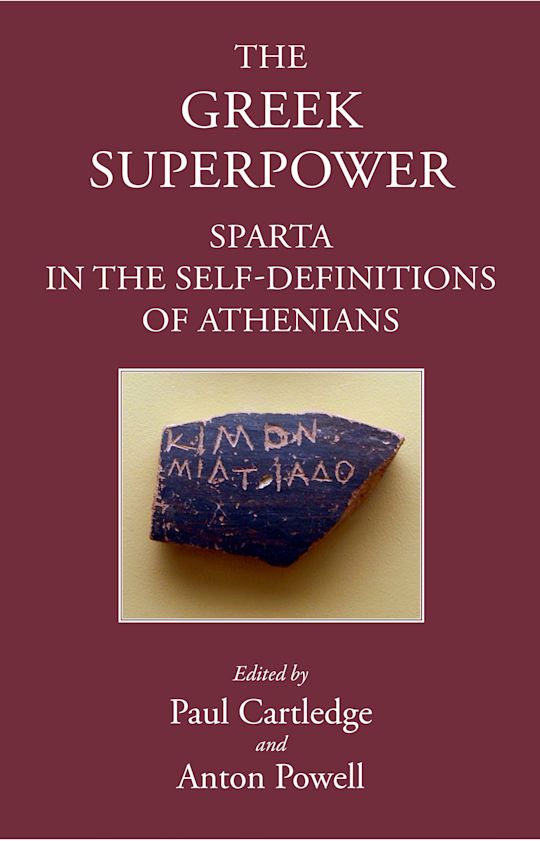


Greek Superpower
Sparta in the Self-Definitions of Athenians
- Delivery and returns info
-
Free UK delivery on orders £30 or over
Description
Greeks – in later times – saw Athens as 'the Hellas of Hellas', but in the classical period many Athenians thought otherwise. Athens might be a school of Hellas, but the school of Hellas was Sparta. Militarily and morally, Sparta was supreme. This book explores how Athenians – ordinary citizens as well as writers and politicians – thought about Sparta's superiority. Nine new studies from an international cast examine how Athenians might revere Sparta even as they fought her. This respect led to Plato's literary creation of fantasy cities (in the Republic and Laws) to imitate Spartan methods. And, after its military surrender in 404 BC, ruling Athenian politicians claimed that their city was to be remodelled as itself a New Sparta.
Table of Contents
Foreword Paul Cartledge
1 Sparta in Pericles' Funeral Oration Paula Debnar
2 Athens, Sparta, and the t???? of deliberation Ellen Millender
3 Athens as New Sparta? Lakonism and the Athenian revolution of 404–3 BC Anton Powell
4 Viewing Sparta through Athenian engagement with art and architecture Michael Scott
5 Euripides, Sparta and the self-definition of Athens Edith Hall
6 Sparta and Spartans in Old Comedy Ralph M. Rosen
7 Imagined superpowers: Isocrates' opposition of Athens and Sparta Carol Atack
8 Spartan echoes in Plato's Republic Fritz-Gregor Herrmann
9 Aristotle's critique of Spartan imperialism Malcolm Schofield
Index
Product details
| Published | 28 Sep 2018 |
|---|---|
| Format | Hardback |
| Edition | 1st |
| Extent | 249 |
| ISBN | 9781910589632 |
| Imprint | Classical Press of Wales |
| Dimensions | Not specified |
| Series | Sparta and its Influence |
| Publisher | The Classical Press of Wales |
Reviews
Related Titles