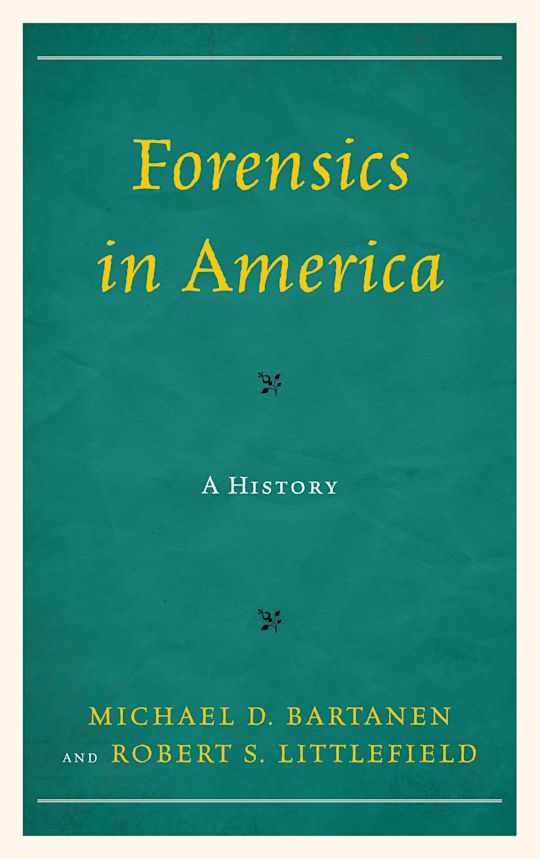
Forensics in America
A History

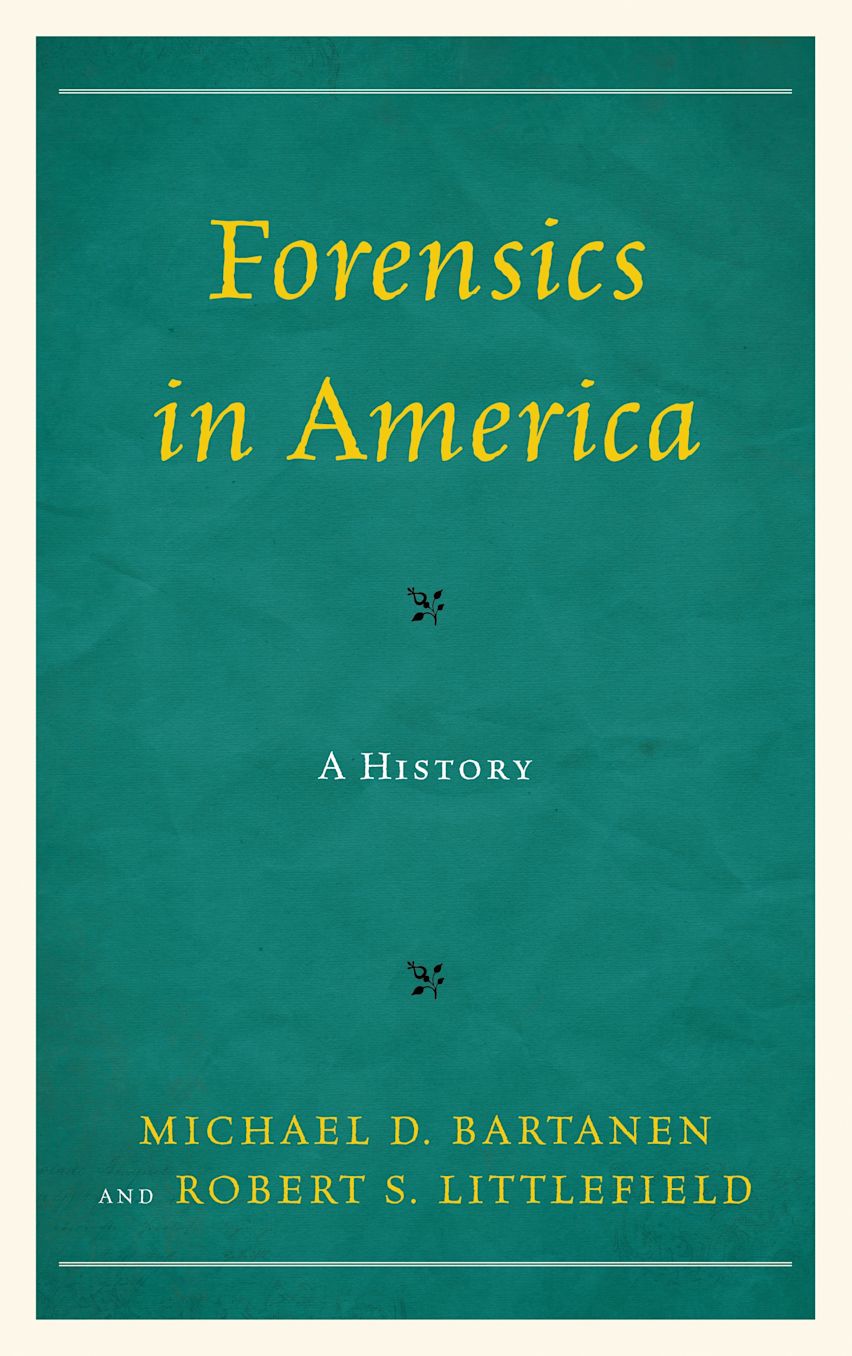
Forensics in America
A History
Description
Here is the story of the process by which competitive speech and debate evolved in the United States during the 20th Century.
This authoritative history shows how forensics, as practiced in the United States, was an uneasy fusion of contradictory premises that began as a significant part of the tradition of American public address: The need for preparing students to participate in democratic governance in conflict with a student’s need to express personal and competitive impulses. Forensics represented a push and pull between an activity simultaneously considered to be both a public and a private good.
The book:
identifies the themes and trends of American forensics within an overarching chronological framework; reveals the impact of American forensics on the communication discipline, as well as America’s social and educational systems; concentrates on the elements of social history that contributed to organizational development, leadership, and politics; and, provides a base line reflecting the influences of both American culture in particular, and western culture in general, for cross-cultural comparisons between processes and effects of forensics as a form of education.
While intrinsically valuable as part of a comprehensive understanding of the history of higher education in the United States in the 20th Century, Forensics in America: A History is significant in providing a context for understanding the role forensics may play in the 21st Century. The book expands the study of American public address, focuses on the pedagogy of forensics training, and explores cultural dimensions of forensics activities.
Table of Contents
List of Tables
Preface
Acknowledgements
Chapter 1: An Introduction to the Study of American Forensics In the 20th Century
The Importance of Historical-Critical Research in Forensics
The Broad Outline of a Historical Study of American Forensics
The Focus of This Text and Assumptions Guiding Our Analysis
Forensics is Epistemic
Forensics is Rhetorical
Combining the Epistemic and Rhetorical
Assumptions and Themes of this Analysis
Theme One: The History of American Forensics
Theme Two: The Relationship between Collegiate and High School
Forensics
Theme Three: Forensics as a Promise and Consequence of American
Education
Theme Four: Forensics as a Resilient and Enduring Education Form
Theme Five: The Relationship between Forensics and the
Communication Discipline
The Plan of the Book
References
Part I: The Historical Context of Forensics Practice
Chapter 2: The Public Oratory Era
Forensics in the Pre-Competitive Era
Early Debating
The Literary Society
The So
Product details
| Published | 07 Nov 2013 |
|---|---|
| Format | Ebook (Epub & Mobi) |
| Edition | 1st |
| Pages | 334 |
| ISBN | 9781442226210 |
| Imprint | Rowman & Littlefield |
| Illustrations | 14 tables; |
| Publisher | Bloomsbury Publishing |
Reviews

ONLINE RESOURCES
Bloomsbury Collections
This book is available on Bloomsbury Collections where your library has access.
Related Titles