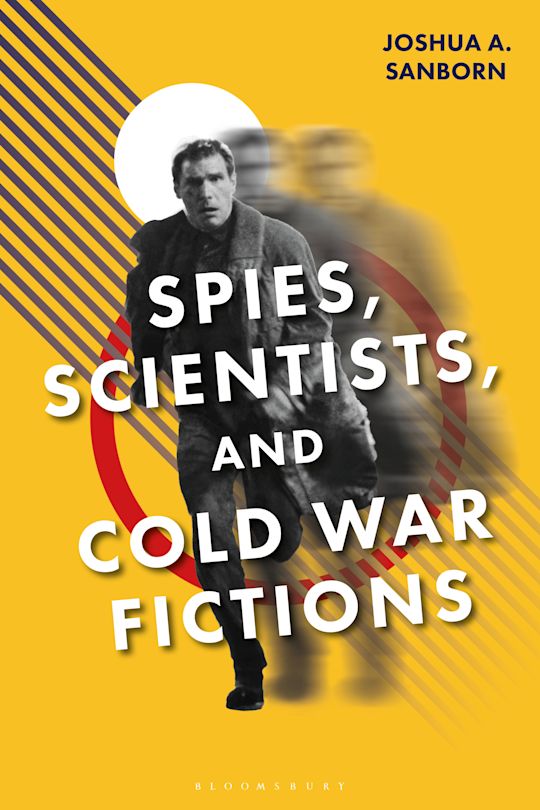

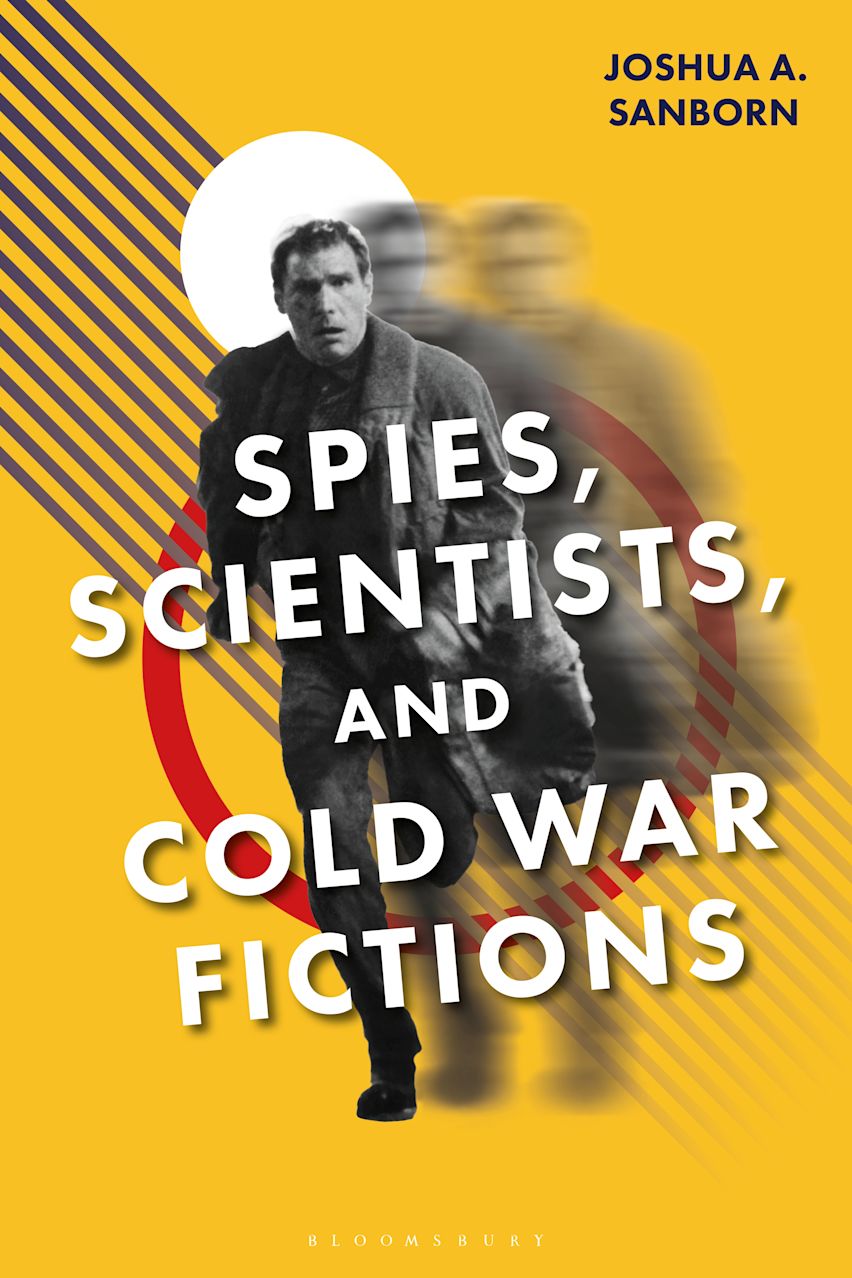
Spies, Scientists, and Cold War Fictions
Description
During the Cold War, science and spy fiction moved from the cultural margins to reach new heights of popularity. Spies, Scientists, and Cold War Fictions explores how these genres didn't just reflect the era – they shaped the diplomatic, military, and scientific realities of the day.
Joshua A. Sanborn traces the relationship between adventure narratives, the emerging roles of scientists and spies, and the superpower rivalry. Drawing on works like Ian Fleming's From Russia With Love, Philip K. Dick's Do Androids Dream of Electric Sheep?, Tom Clancy's The Hunt for Red October, and the Soviet classic Andromeda Nebula, Sanborn shows how real events, from the rise of Soviet 'science cities' to the development of the U-2 spy plane, often felt torn from the very pages of these novels.
Blending cultural history with literary analysis, this book offers a guided tour through the Cold War imagination, revealing how fiction and fact intertwined in shaping a world on the brink of annihilation.
Accessibility Information
Additional accessibility information
- PDF/UA-2, 1.4
- accessibility@bloomsbury.com
Hazards
The publication contains no hazards
Support for non-visual reading
Has alternative text descriptions for images
Navigation
- Page list to go to pages from the print source version
- Elements such as headings, tables, etc for structured navigation
- All or substantially all textual matter is arranged in a single logical reading order
Table of Contents
Foreword
Introduction: War of the Worlds (H. G. Wells, 1897)
Chapter One: From Russia with Love (Ian Fleming, 1957)
Chapter Two: Andromeda Nebula (Ivan Efremov, 1957)
Chapter Three: The Station Chief's Mistake (Oleg Shmelev and Vladimir Vostokov, 1966)
Chapter Four: Do Androids Dream of Electric Sheep? (Philip K. Dick, 1968)
Chapter Five: The Left Hand of Darkness (Ursula K. LeGuin, 1969)
Chapter Six: Seventeen Moments of Spring (Tatiana Lioznova, 1973)
Chapter Seven: The Hunt for Red October (Tom Clancy, 1984)
Chapter Eight: The Doomed City (Boris and Arkady Strugatskii, 1988)
Conclusion: The Americans (Joe Weisberg, 2013-18)
Product details

| Published | 21 Jan 2027 |
|---|---|
| Format | Ebook (PDF) |
| Edition | 1st |
| Pages | 384 |
| ISBN | 9781350425521 |
| Imprint | Bloomsbury Academic |
| Illustrations | 30 bw illus |
| Publisher | Bloomsbury Publishing |

Reviews
Related Titles