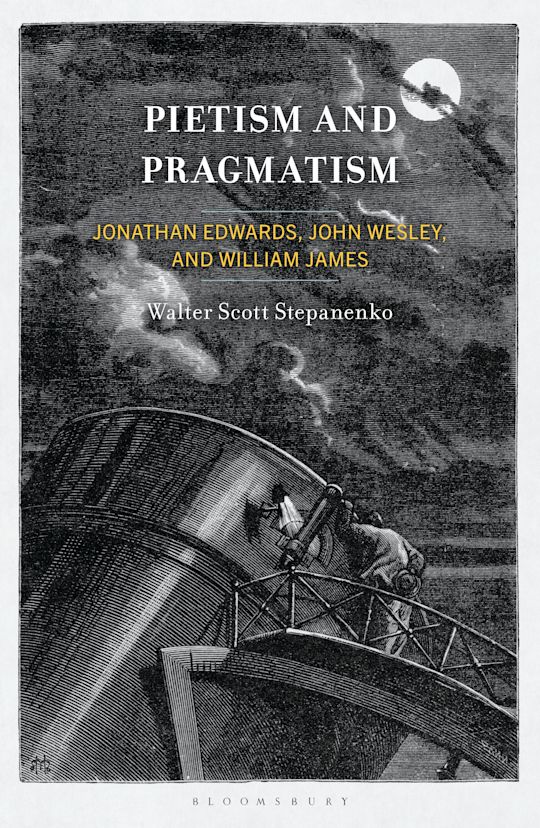
Pietism and Pragmatism
Jonathan Edwards, John Wesley, and William James

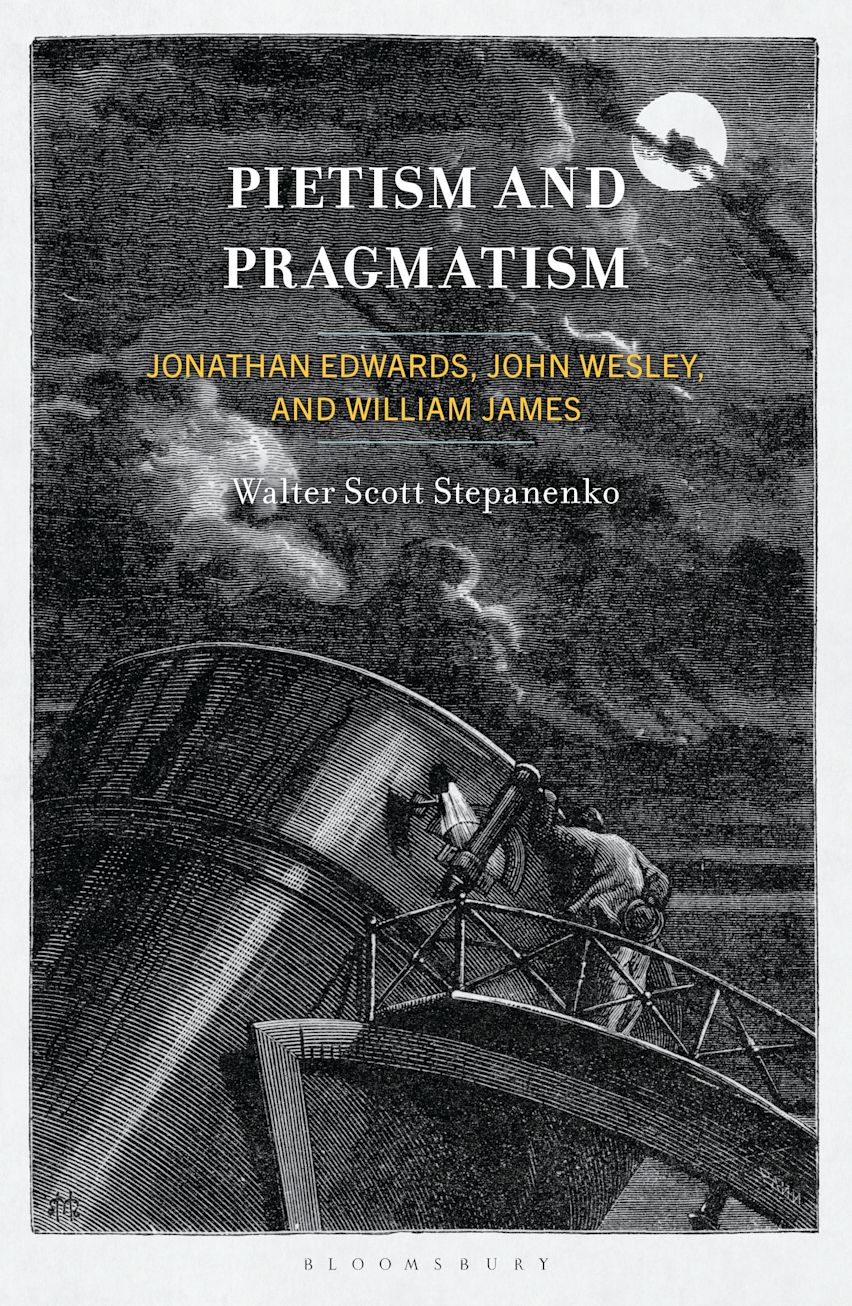
Pietism and Pragmatism
Jonathan Edwards, John Wesley, and William James
Description
Identifying the theological background for the later classical exposition of pragmatism by William James illuminates a method that can shift the parameters of contemporary philosophy of religion discourse and contribute to the development of novel solutions to perennial problems.
Often associated with secular philosophical approaches, pragmatism is not often appreciated for its connection to spiritual and religious traditions and is often ignored in contemporary philosophy of religion. Walter Scott Stepanenko argues that Awakening-era figures such as John Wesley and Jonathan Edwards developed an apologetic literature that prefigures classical pragmatism and suggests the relevance of pragmatism to philosophy of religion. While pietists such as Wesley and Edwards are unified in a commitment to perfect being theism and to Christianity, William James stands in opposition to them as a philosopher who believes that moral and scientific developments make it likely that God is not perfect and that Christianity is false. This debate remains relevant to contemporary concerns about theism and the methodological overlap between pietism and pragmatism raises questions about how this method can inform a contemporary treatment of this debate.
This book suggests that a contemporary reconstruction of pietists and pragmatists shared method can inspire a view according to which positive epistemic status accrues to beliefs with practical support with the result that spirituality and religion remain live options, even as big picture questions about the nature of God and the truth of Christianity remain.
Accessibility Information
Additional accessibility information
- EPUB 3.0
- Conforms with the requirements of EPUB Accessibility Spec v1.1
- WCAG level AA
- WCAG v2.2 compliant
- accessibility@bloomsbury.com
Hazards
The publication contains no hazards
Support for non-visual reading
- No accessibility features offered by the reading system, device or reading software are disabled or otherwise unusable with the product
- Has alternative text descriptions for images
Visual adjustments
Appearance of the text and page layout can be modified according to the capabilities of the reading system (font family and size, spaces, as well as color of background and text)
Navigation
- Page list to go to pages from the print source version
- Elements such as headings, tables, etc for structured navigation
- All or substantially all textual matter is arranged in a single logical reading order
- Content is enhanced with ARIA roles to optimize organization and facilitate navigation
- Purposes of all links are made clear
Rich content
Language tagging provided
Table of Contents
Chapter One: Rebirth and Reflex
Chapter Two: Theory and Practice
Chapter Three: Roots and Fruits
Chapter Four: Foundations and Futures
Chapter Five: Construction and Inspiration
Chapter Six: Science and Religion
Chapter Seven: Meliorism and Optimism
Bibliography
Index
Product details

| Published | 03 Sep 2026 |
|---|---|
| Format | Ebook (Epub & Mobi) |
| Edition | 1st |
| Pages | 208 |
| ISBN | 9798216374404 |
| Imprint | Bloomsbury Academic |
| Publisher | Bloomsbury Publishing |

Related Titles