How Healthy Is Your Organization?
The Leader's Guide to Curing Corporate Diseases and Promoting Joyful Cultures


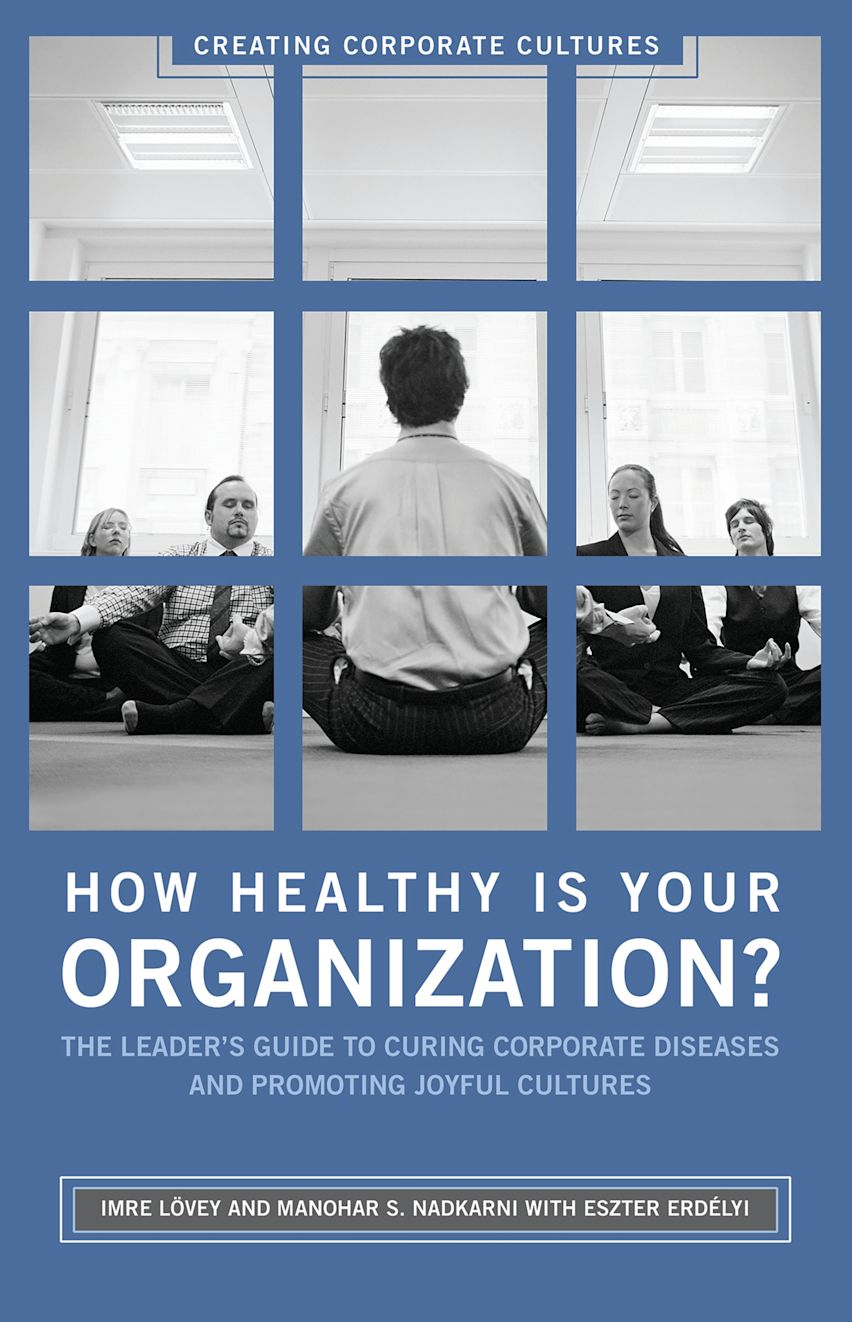
How Healthy Is Your Organization?
The Leader's Guide to Curing Corporate Diseases and Promoting Joyful Cultures
Description
In today's stressful work environment, organizations can be crippled not only by product failures or dramatic market shifts but by internal demons. Typical symptoms of corporate dis-ease include distrust, lack of communication, territoriality, and other negative qualities that fester below the surface and ultimately sap the organization's vitality. But according to these experts in organizational dynamics, it doesn't have to be that way. In truly strong organizations, employees experience joy in performing their tasks and give their utmost to add value and help achieve organizational goals. This provocative book, featuring over fifty case studies, shows how organizations can uncover problems in the corporate culture, root them out, and prosper.
As the authors argue, sustainable profitability, over the long term, is a function of achieving a balance among financial objectives, customer demands, and employee needs. Through numerous examples, case studies, and diagnostic exercises, the authors show managers and employees, as well as students and researchers of organizational behavior, how to identify the sources of organizational disease and focus on promoting a positive, inclusive culture. The end result? Profitability, better employee retention, and a company that's fun to work for.
Product details
| Published | 30 Jul 2007 |
|---|---|
| Format | Ebook (PDF) |
| Edition | 1st |
| Extent | 272 |
| ISBN | 9780275997779 |
| Imprint | Praeger |
| Series | Creating Corporate Cultures |
| Publisher | Bloomsbury Publishing |
Reviews

ONLINE RESOURCES
Bloomsbury Collections
This book is available on Bloomsbury Collections where your library has access.
Related Titles