Cohabiting the Wild
Ecofeminism, Pragmatism, and the Ethics of Living with Wildlife
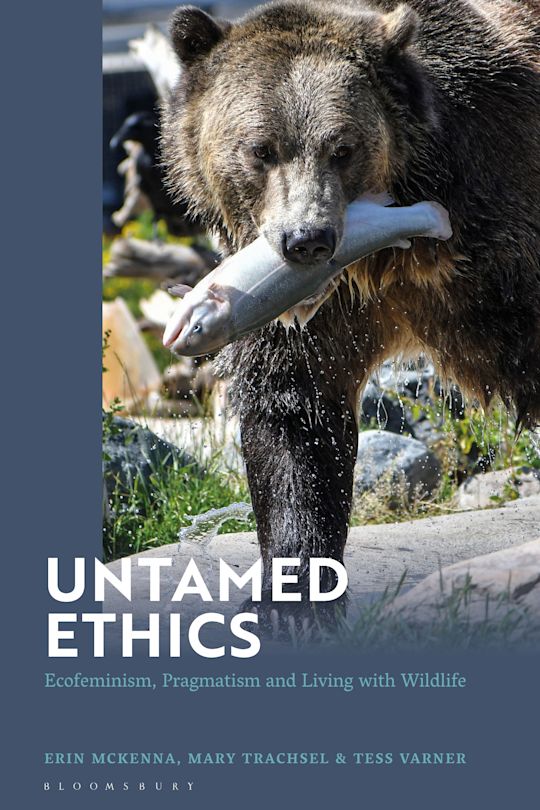

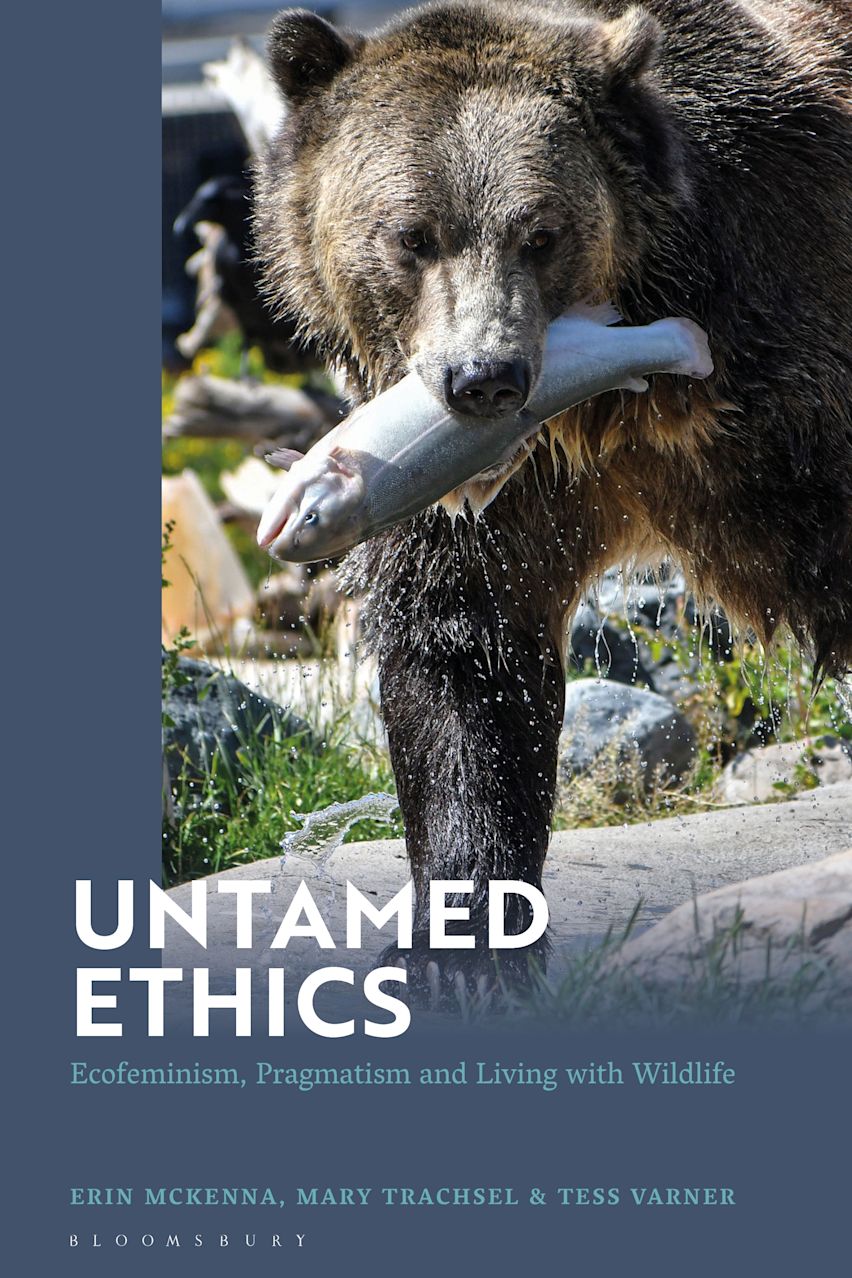
Cohabiting the Wild
Ecofeminism, Pragmatism, and the Ethics of Living with Wildlife
Description
This timely book explores the tangled relationships between humans and wild animals in a rapidly changing ecological landscape. Drawing on pragmatist and ecofeminist philosophy, Erin Mckenna, Tess Varner, and Mary Trachsel challenge dominant narratives of human exceptionalism and offer new ethical approaches to coexistence with wildlife.
Combining philosophical inquiry with interviews and site visits across the USA – from wolf educators in Yellowstone to the Chimpanzee Sanctuary Northwest – the authors examine how animals are categorized as predators, pests, or exotic. Interrogating the three terms, they demonstrate how these labels shape public policy, conservation efforts, and human responses, both positively and negatively. As such, this volume does not focus solely on romanticized wild animals like bears and big cats but also considers overlooked species such as prairie dogs, feral pigs, and ticks, which are similarly central to debates about coexistence and biodiversity.
Rather than prescribing fixed solutions to conflicts between humans and other species, this book embraces pluralism and contextual ethics. Recognizing that wolf management, for example, must adapt to different ecological, cultural, and political contexts, it advocates for adaptive and reciprocal relationships with the more-than-human world. It interrogates the rhetoric of wildness and civilization and, inspired by the notion of 'connectedness' foregrounded in pragmatism and ecofeminism, asks what it means to live ethically within, and not apart from, nature.
Urgent, interdisciplinary, and deeply humane, Cohabiting the Wild is essential reading for scholars and students in environmental philosophy, animal ethics, and feminist theory, as well as anyone seeking new ways to think about wildlife and human-animal coexistence in the Anthropocene.
Accessibility Information
Additional accessibility information
- PDF/UA-2, 1.4
- accessibility@bloomsbury.com
Hazards
The publication contains no hazards
Support for non-visual reading
Has alternative text descriptions for images
Navigation
- Page list to go to pages from the print source version
- Elements such as headings, tables, etc for structured navigation
- All or substantially all textual matter is arranged in a single logical reading order
Table of Contents
1. Experiencing the Wild
2. Coexistence in a Time of Mass Extinction
3. Ragged, Healthy Turmoil
4. The Spectacle of Celebrity Birds
5. Pigs: Going Feral
6. Wild Horses: Wild Dignity
7. Prairie Dogs and Coyotes: Accommodating Neighbors
8. Rodents, Mosquitoes, and Ticks: At Home with Pests
9. Wolves: Living with Uncertainty
10. Bears: Hospitality and Sharing Space
11. Big Cats: Testing Tolerance
12. Apes and Whales: Exotic Appetites
13. Experiencing the Wild: Commodification, Consumption, and Compassion
References
Product details

| Published | 21 Jan 2027 |
|---|---|
| Format | Ebook (PDF) |
| Edition | 1st |
| Pages | 320 |
| ISBN | 9781350627499 |
| Imprint | Bloomsbury Academic |
| Illustrations | 10 bw illus |
| Publisher | Bloomsbury Publishing |

Related Titles