
Description
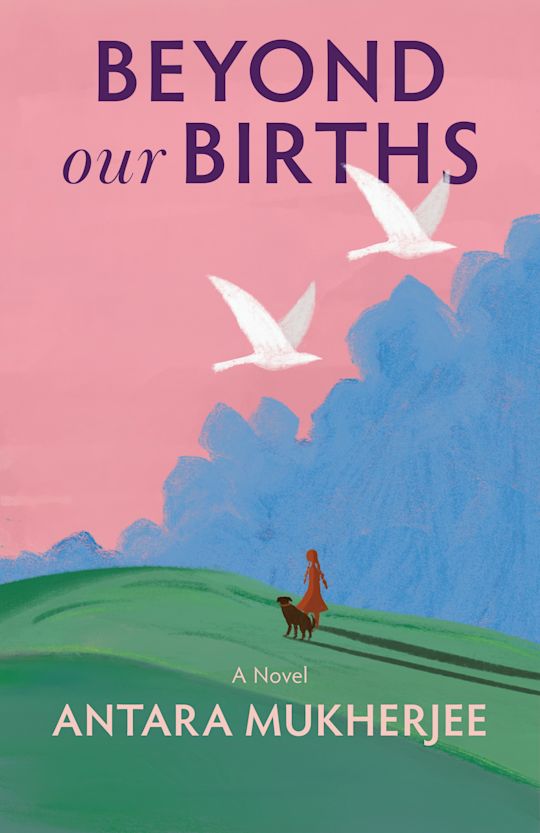
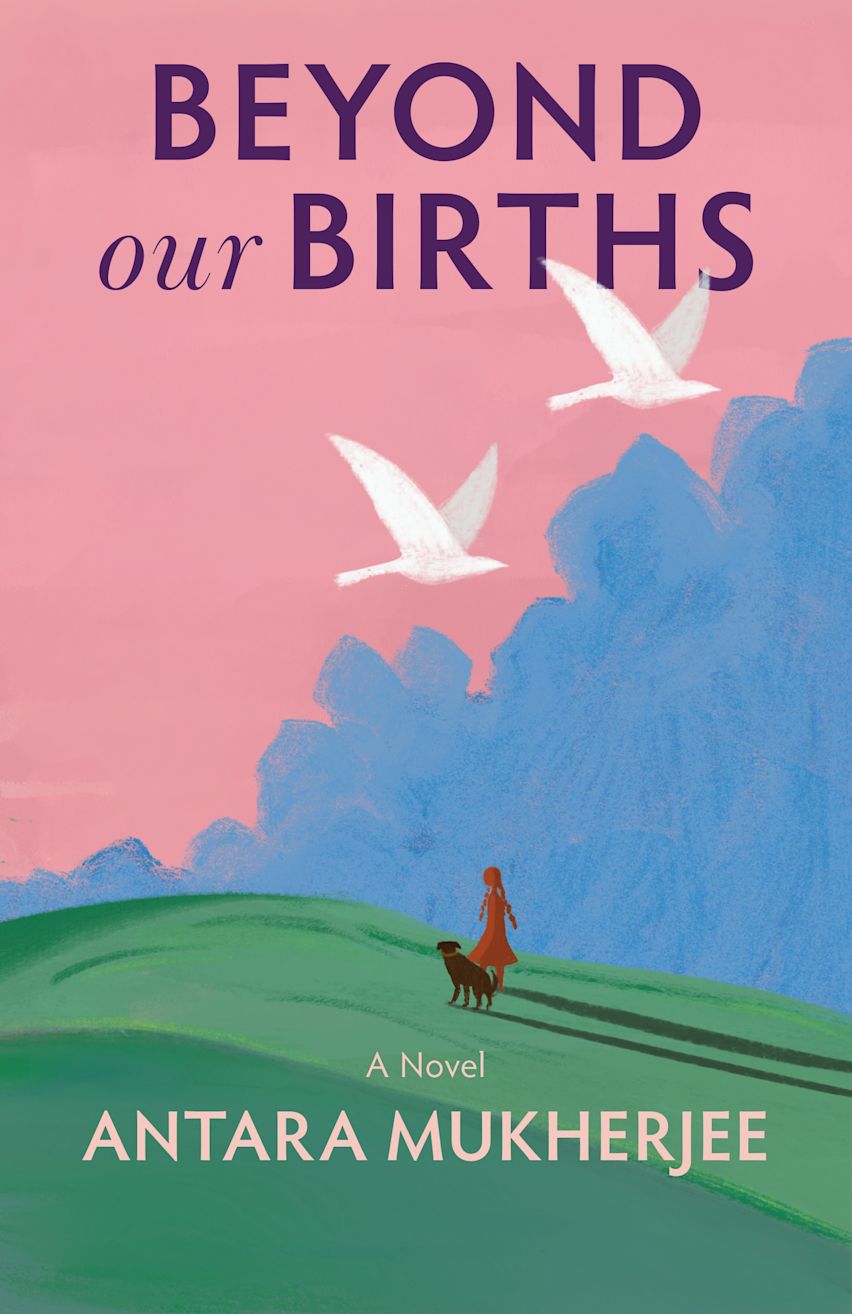
Abandoned as a five-year-old near the India–Bangladesh border, Nimki finds refuge with the Senguptas of Kolkata as they provide her with shelter in return for helping with domestic chores. Only, refuge can never mean sanctuary. She yearns for the love and affection of Bina Ma, but always comes second best to Ira, her beloved daughter.
Constantly battling the anxieties of displacement and placelessness, Nimki chases her desires for a stable identity and a place to call home. Spanning nearly a decade of her life, across borderlands, this bildungsroman defies stereotypes of clean borders, homogenous nations and blood kin.
A staggeringly brilliant literary brilliant debut, Beyond Our Births is about the many arduous journeys one has to take before one is led to the discovery of the self. As in the end, we are what we become beyond our births.
Product details
| Published | 18 Aug 2026 |
|---|---|
| Format | Paperback |
| Edition | 1st |
| Pages | 272 |
| ISBN | 9789369520589 |
| Imprint | Bloomsbury India |
| Dimensions | 216 x 135 mm |
| Publisher | Bloomsbury Publishing |
Reviews
Related Titles