Aristotle’s Anti-Populist Art of Rhetoric: Defending the Rule of Law Through Benign Manipulation
Defending the Rule of Law Through Benign Manipulation
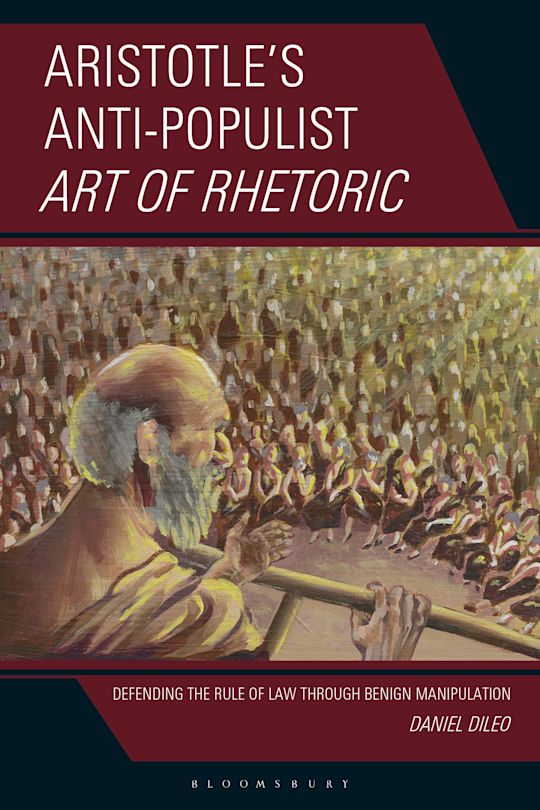

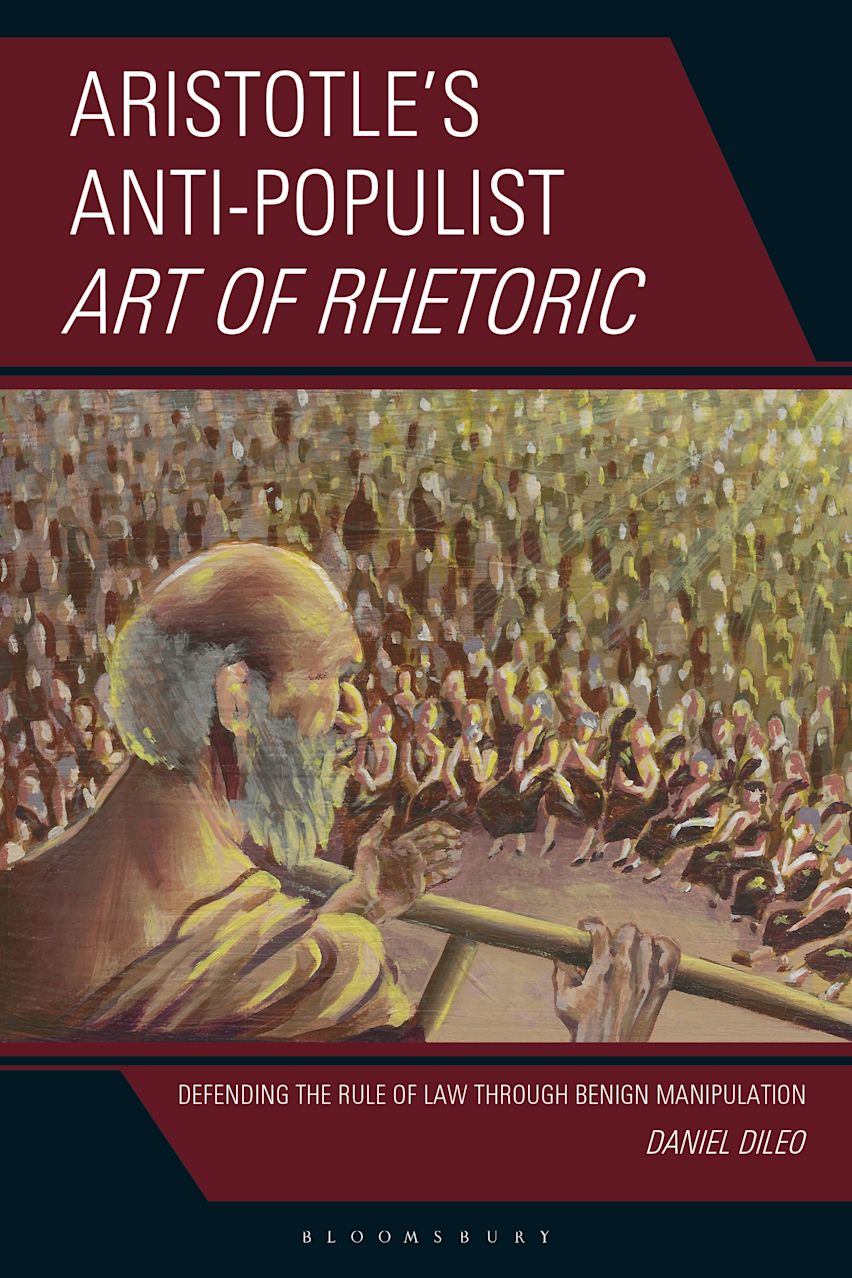
Aristotle’s Anti-Populist Art of Rhetoric: Defending the Rule of Law Through Benign Manipulation
Defending the Rule of Law Through Benign Manipulation
Description
Daniel DiLeo identifies Aristotle's Art of Rhetoric as a means of preserving the lawful systems of rule that make the inculcation of human excellence possible. This entails resistance to what he perceived as the lawlessness of regime-destabilizing extreme democracy and of what we experience today as populism. Since they both arise through the effectiveness of demagogic rhetoric, Aristotle arms those opposed to it with their own effective, but potentially benign art of rhetoric.
DiLeo demonstrates that Aristotle's assessment of the wisdom of actual multitudes was quite negative. He challenges recent scholarship attributing inherent tendencies to yield politically prudent outcomes to the practice of Aristotle's rhetorical art, absent any guidance by speakers of superior political prudence. He then shows how Aristotle's principal rhetorical tactics, maxims, metaphors, and topics are instruments of manipulation.
Daniel DiLeo then notes how Aristotle shifted longings of elites away from honors allocated by the many to a concern for the human good and argues that even if Martin Luther King, Jr. privately and plausibly believed the heroes of the Bible were in fact “otherworldly,” and doubted that America's founders strove for what is just by nature, his “Letter from a Birmingham Jail” was nevertheless supremely benign.
Accessibility Information
Additional accessibility information
- PDF/UA-2, 1.4
- accessibility@bloomsbury.com
Hazards
The publication contains no hazards
Support for non-visual reading
Has alternative text descriptions for images
Navigation
- Page list to go to pages from the print source version
- Elements such as headings, tables, etc for structured navigation
- All or substantially all textual matter is arranged in a single logical reading order
Table of Contents
Part One: Contexts
Chapter One: Definitions: Extreme Democracy, Populism, and Manipulation
Chapter Two: The Context of Recent Readings of The Rhetoric
Chapter Three: Aristotle's Perception of the Political Context of His Art of Rhetoric
Chapter Four: The Theoretical Context of Aristotle's Art of Rhetoric
Part Two: Means of Manipulation
Chapter Five: Manipulative Maxims
Chapter Six: Unequal Metaphors
Chapter Seven: Instrumental Topics
Part Three: Responses
Chapter Eight: Liberating the Best from the Rest
Chapter Nine: Our Response to Populism
References
About the Author
Product details

| Published | 03 Sep 2026 |
|---|---|
| Format | Ebook (PDF) |
| Edition | 1st |
| Pages | 256 |
| ISBN | 9798216254799 |
| Imprint | Bloomsbury Academic |
| Illustrations | 0 |
| Publisher | Bloomsbury Publishing |

Reviews
Related Titles