
- Home
- NON-FICTION
- History
- General History
- The Age of Comfort
You must sign in to add this item to your wishlist. Please sign in or create an account
Description
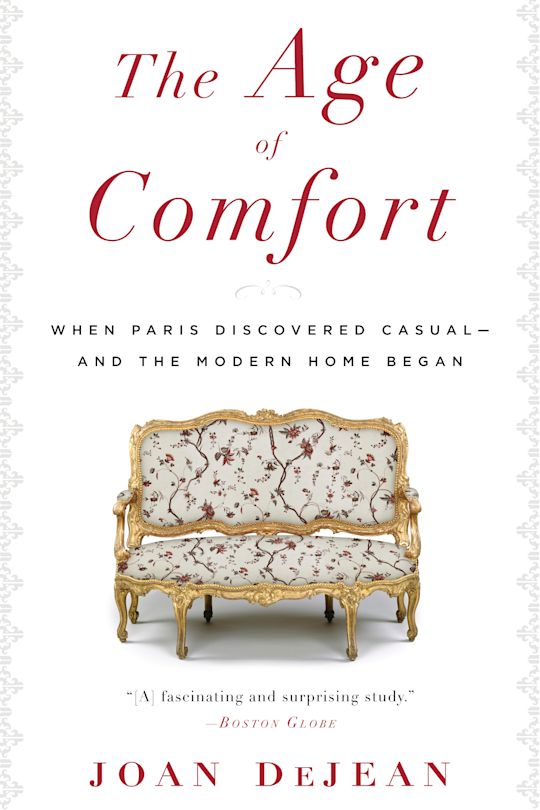
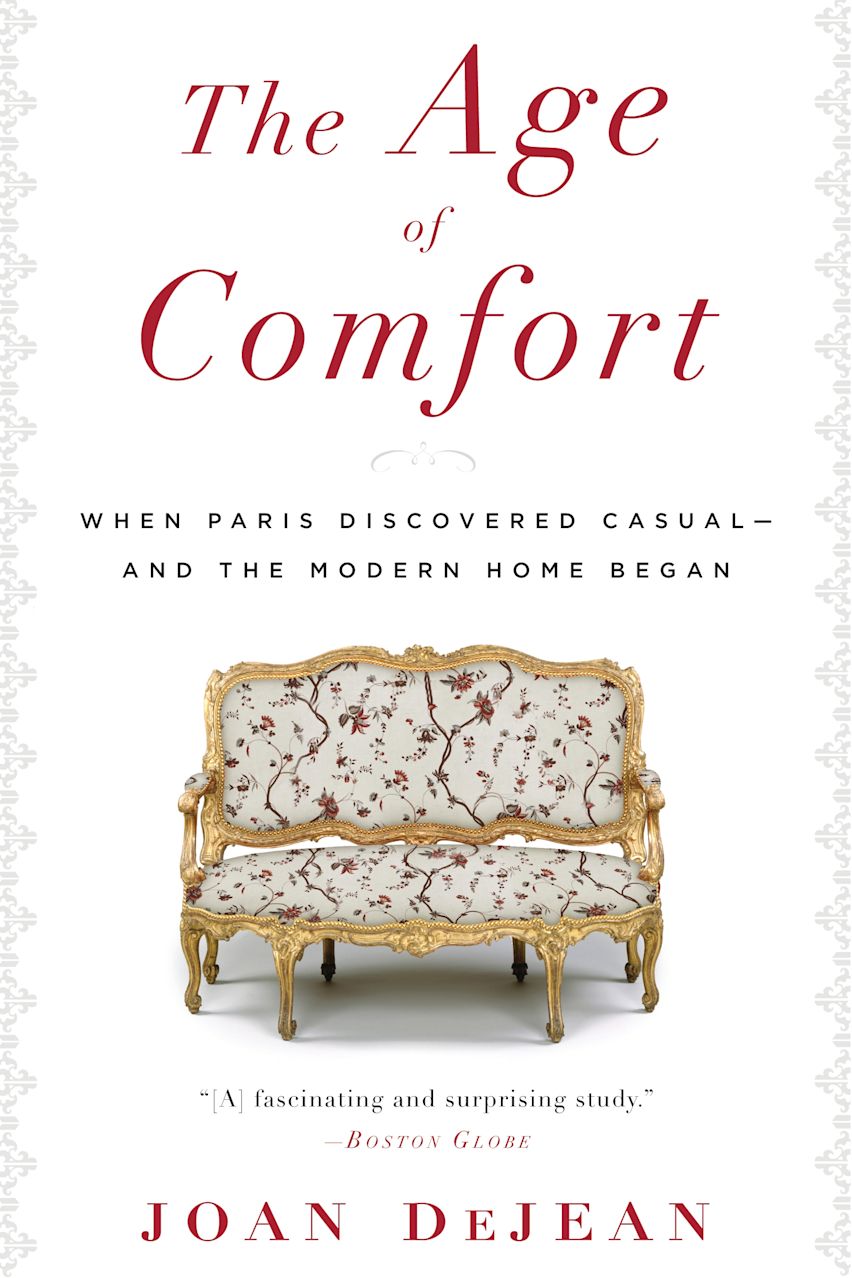
This remarkable history of late-seventeenth- and early-eighteenth-century France introduces the age when comfort became a new ideal. Home life, formerly characterized by stiff formality, was revolutionized by the simultaneous introduction of the sofa (a radical invitation to recline or converse), the original living rooms, and the very concept of private bedrooms and bathrooms, with far-reaching effects on the way people lived and related to one another. DeJean highlights the revolutionary ideas-and the bold personalities behind them-that fomented change in the home and beyond, providing new insight into the household habits and creature comforts we often take for granted.
Product details
| Published | 21 Nov 2013 |
|---|---|
| Format | Paperback |
| Edition | 1st |
| Extent | 304 |
| ISBN | 9781608192304 |
| Imprint | Bloomsbury USA |
| Illustrations | black and white illustrations throughout; color inserts |
| Dimensions | 235 x 156 mm |
| Publisher | Bloomsbury Publishing |
About the contributors
Reviews
-
It may seem strange to think of the sofa as an agent of cultural change. Yet The Age of Comfort... shows how it not only helped transform the way homes were designed but also struck a blow to longstanding norms of social order.
New York Times
-
[A] fascinating and surprising study.
Boston Globe
-
Fascinating, immensely readable.
Allure.com
-
Lively and engaging... A uniquely focused social history that will find broad appeal among scholars and casual historians alike.
The Magazine Antiques
-
Gives us the vivid personalities who broke with convention by following their own whims... You don't need to be a Francophile to read this book, but you will be one by the time you finish it.
T: The New York Times Style Magazine
-
An entertaining account of how home life was virtually reinvented in Paris from 1670 to 1765... Well researched and brimming with anecdotes and architectural and design details.
Publishers Weekly