
This product is usually dispatched within 1 week
- Delivery and returns info
-
Free CA delivery on orders $40 or over
Description
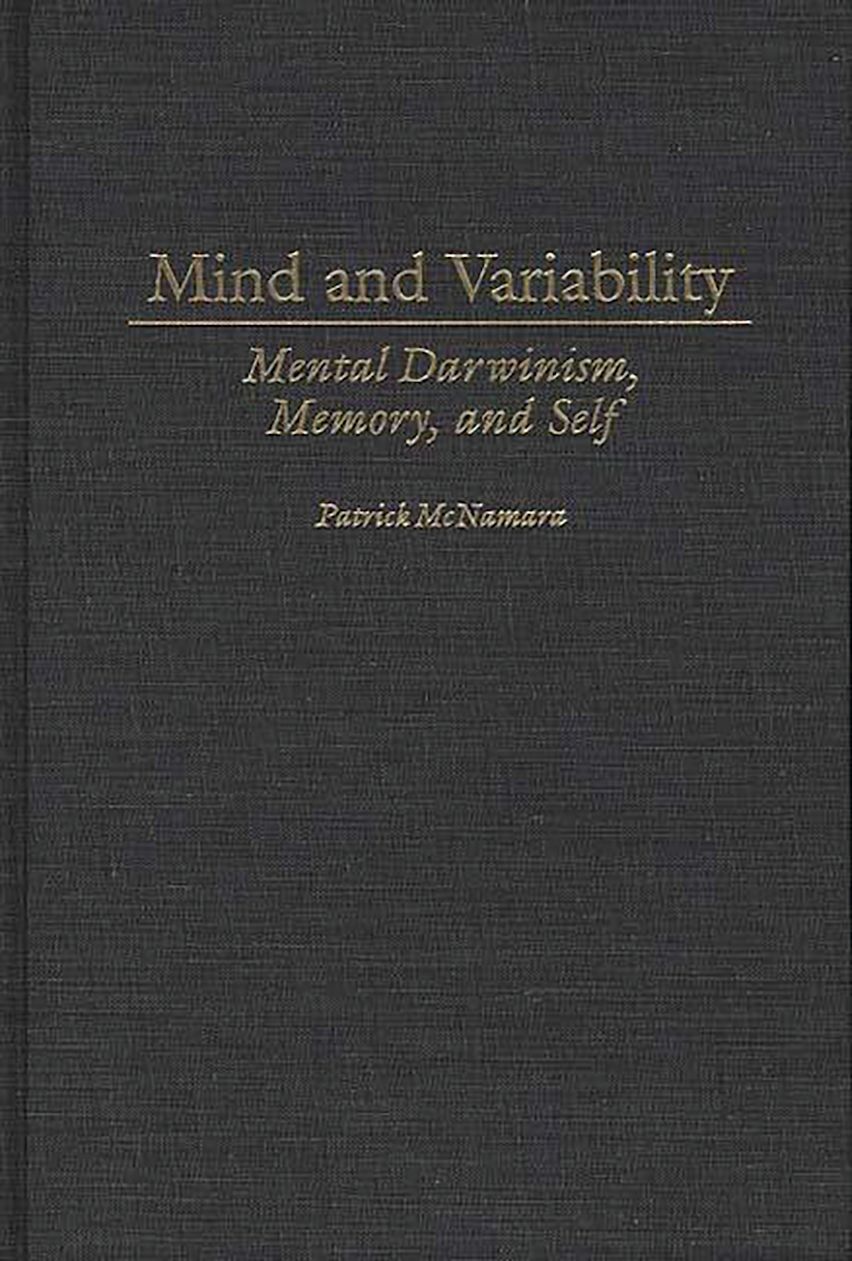
Mental Darwinism, a new approach to the study of mental phenomena,applies selectionist ideas to problems of mind and behavior. McNamara challenges the instructivist view that memories occur when information from the environment is transferred into the mind. Current experimental evidence confirms the insights of two turn-of-the-century philosophers, William James and Henri Bergson, who originally proposed applying Darwinian principles to mental processes. The view of the mind that emerges from this approach helps us understand why memory evolves as it does and is not always accurate or veridical, how memory is related to personal identity, and how a large number of neuropsychological disorders develop.
Table of Contents
Introduction
Selection and Memory
Limitations of the Instructivist Account of Memory
Bergson's Memory Theory
Evidence for Selectionist Processing
Frontal Lobes, Memory, and Inhibition
William James on Memory, Variability, and Consciousness
The Theater of Simultaneous Possibilities
The Stream of Thought and Self-Regulation
Recollection and Self
Dreaming
Selection, Self, and Culture
References
Index
Product details
| Published | Jun 30 1999 |
|---|---|
| Format | Hardback |
| Edition | 1st |
| Extent | 184 |
| ISBN | 9780275963835 |
| Imprint | Praeger |
| Dimensions | 235 x 156 mm |
| Series | Human Evolution, Behavior, and Intelligence |
| Publisher | Bloomsbury Publishing |
Related Titles