- Home
- ACADEMIC
- Philosophy
- Philosophy of Education
- Intersecting Worlds in Mexican American Philosophy
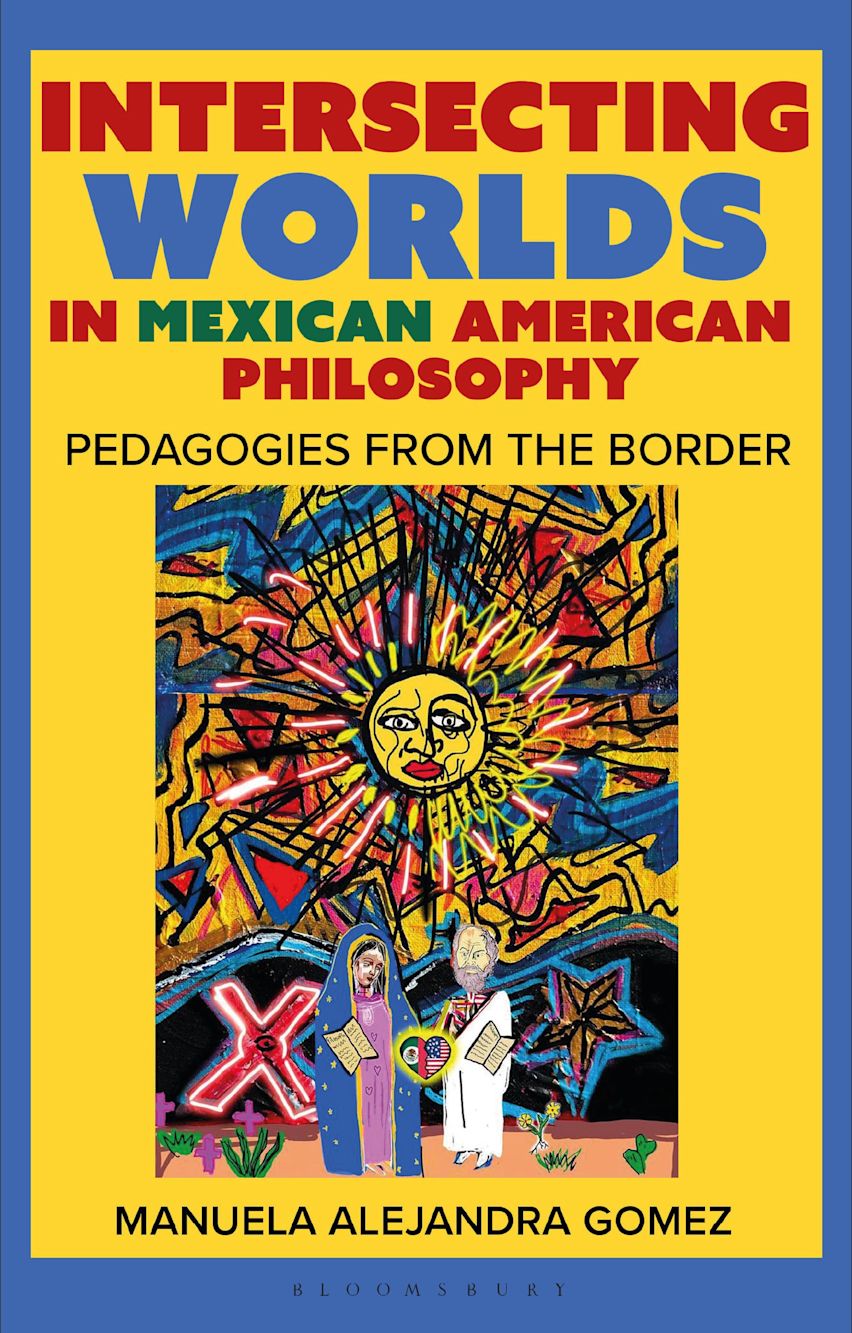
Intersecting Worlds in Mexican American Philosophy
Teaching and Learning From the Border
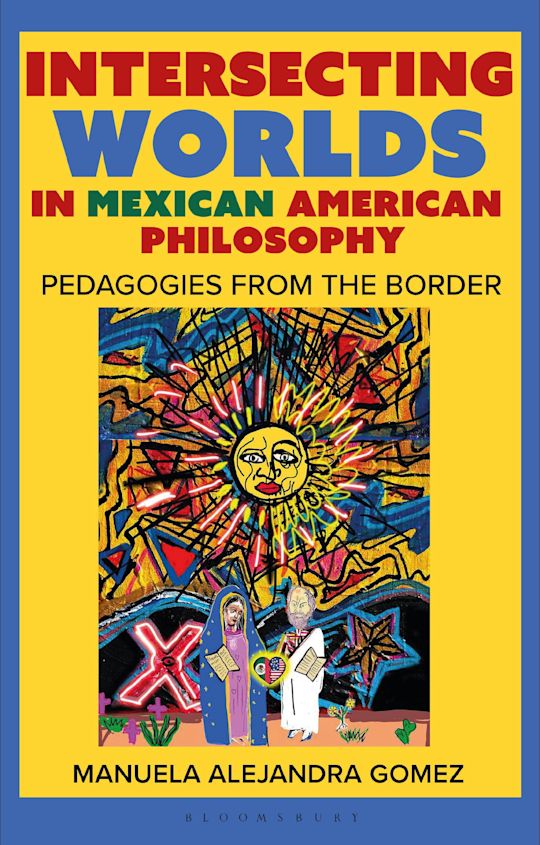
Intersecting Worlds in Mexican American Philosophy
Teaching and Learning From the Border

Buying pre-order items
Your pre-order item will usually be processed for shipping shortly before the publication date.
Payment for this pre-order will be taken when the item becomes available
- Delivery and returns info
-
Free CA delivery on orders $40 or over
You must sign in to add this item to your wishlist. Please sign in or create an account
Description
One of the few Mexican American women philosophers across the United States and Mexico redefines philosophy and pedagogy through a groundbreaking exploration of identity, culture, and language.
For more than two decades, Manuela Alejandra Gomez has been teaching on both sides of the U.S.-Mexico border. In the first book of its kind to critically analyze how Mexican Americans connect to philosophy she draws on a five-year study, her experience, ethnographic observations and testimonios to show a constant navigation between two nations, two cultures, and two languages.
Leading us through this complex negotiation of intersecting worlds, Gomez explores how to teach and learn philosophy from a Mexican American perspective. She makes us question what it means to be a philosopher, challenges conventions about what it truly means to philosophize and redefines the boundaries of philosophical thought: her aim is to add a new chapter in the narrative of academic inclusion and diversity that makes more room for Mexican American perspectives.
Reimagining and broadening the parameters of philosophy, she offers invaluable pedagogical insights, providing a rich and practical roadmap to more effective teaching methods, while empowering students through the recognition of their identities.
In the United States, more women and students of color are going to college than ever before, but philosophy as an academic field continues to be one of the least diverse and untouched by their vantage points. This much-needed book marks an important contribution to local and culturally informed ways of teaching and learning.
Table of Contents
2. El Que No Tranza No Avanza: Mexican American Students in Philosophy
3. The Gender Dimension and the Role of Language in Learning
4. Reimagining Philosophy Education by Empowering Mexican American Perspectives
5. Teaching Philosophy: Practical Pedagogical Recommendations
Conclusion
Bibliography
Index
Product details
| Published | Sep 03 2026 |
|---|---|
| Format | Hardback |
| Edition | 1st |
| Pages | 256 |
| ISBN | 9781350520165 |
| Imprint | Bloomsbury Academic |
| Dimensions | 216 x 138 mm |
| Publisher | Bloomsbury Publishing |
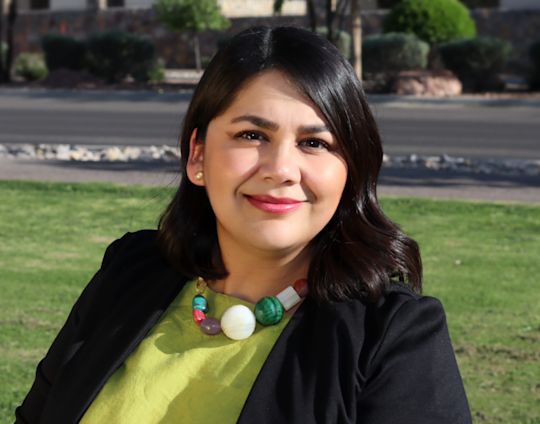
About the contributors
Reviews
-
“A truly original philosophical investigation into identity, connection, and belonging, Intersecting Worlds in Mexican American Philosophy reveals the gaps in academic philosophy and the effects of institutional neglect. Beyond critique, it offers hope through innovative pedagogy. An accomplished teacher, Manuela Gomez is the only one uniquely qualified to write this fascinating and important book.”
Carlos Alberto Sánchez, author of Mexican philosophy for the 21st century
-
“Intersecting Worlds in Mexican American Philosophy arrives at a crucial moment in contemporary thought. This book not only exposes the historical absence of Mexican American voices in philosophy, but also establishes them as a legitimate source of knowledge. Drawing on phenomenological research, critical pedagogy, and lived experience, Manuela Gomez shows that philosophizing from the border is not an exception-it is one of the most intense ways of thinking. The result is a renewed philosophy-a 'philosophical capirotada'-that brings together hybrid, testimonial, and community-based forms of knowledge. Intersecting Worlds in Mexican American Philosophy stands as a key reference for the study of Latin American philosophy, philosophy of education, and contemporary theories of identity and intersectionality.”
“Intersecting Worlds in Mexican American Philosophy irrumpe justo a tiempo en el pensamiento contemporáneo. Este libro no solo denuncia la ausencia histórica de las voces mexicanoamericanas en la filosofía, sino que las convierte en una fuente legítima de conocimiento. A través de investigación fenomenológica, pedagogía crítica y experiencia vivida, Manuela Gomez muestra que filosofar desde la frontera no es una excepción: es una de las formas más intensas de pensar. El resultado es una filosofía renovada –una “capirotada filosófica”– que incorpora saberes híbridos, testimoniales y comunitarios. Intersecting Worlds in Mexican American Philosophy es una referencia clave para los estudios de filosofía latinoamericana, filosofía de la educación y teorías contemporáneas de la identidad y la interseccionalidad.”José Manuel Cuéllar Moreno, Universidad Nacional Autónoma de México, Universidad Panamericana México
-
“Manuela Gómez shows how the contested Mexico US borderlands is a unique resource for thinking deeply about culture, identity and politics. Her studies and lived experience reveals that these places of pain are also places of wisdom, and provide deep insights on how to think creatively in perilous times. In many ways, her writings represent a hope fulfilled as she represents how people who have been diminished by the polemics of racism actually carry within their brains and bodies, unique ways, thinking creatively and courageously about their humanity and the humanity of us all.”
Davíd Carrasco, Professor of the Study of Latin America, Harvard University, USA
-
“Philosophy unapologetically from and within the U.S.-Mexico border. This book not only moves Mexican American philosophy forward, but it should be read side by side with the works of Gloria Anzaldúa and Maria Lugones.”
José Jorge Mendoza, Associate Professor of Philosophy, University of Washington, USA
-
“Intersecting Worlds in Mexican American Philosophy is a bold, field-shaping work that contributes profoundly to educational research by theorizing how Mexican American community college students on the U.S.-Mexico border employ hybridity, languages, and identities as epistemic resources. Gómez introduces a philosophically innovative methodology grounded in rich qualitative inquiry – unprecedented in philosophy – that reorients how knowledge, teaching, and inquiry are understood across borders and traditions. This book is an obra magistral for both philosophers and educationalists.”
Char Ullman, Professor of Sociocultural Foundations of Education, University of Texas at El Paso, USA
-
“A manifesto for the transformative power of philosophy. Intersecting Worlds in Mexican American Philosophy combines philosophical autobiography, ethnography, and innovative pedagogy to show how and why philosophy matters in ways that defy standard narratives about it. It is philosophy from, about, and for those who live in borderlands. It will make you rethink what you know about philosophy and its liberatory power.”
Manuel Vargas, University of California, San Diego, USA