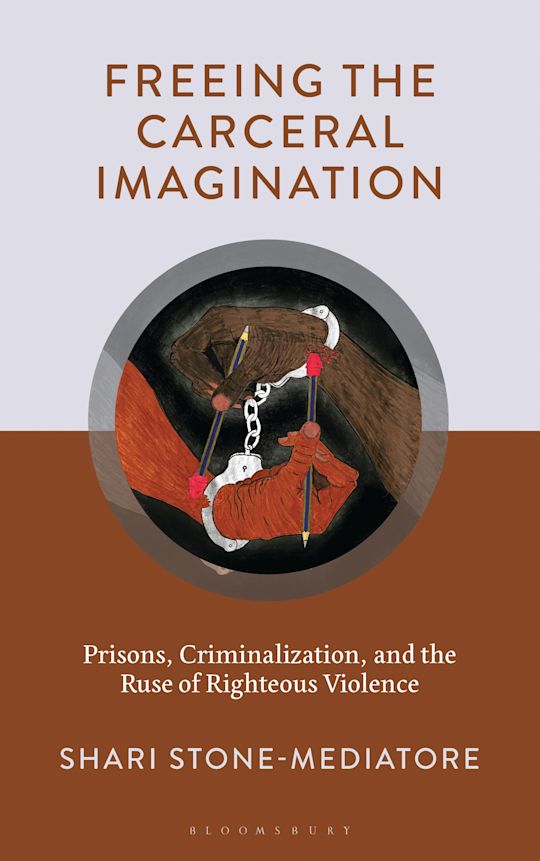
Freeing the Carceral Imagination
Prisons, Criminalization, and the Ruse of Righteous Violence

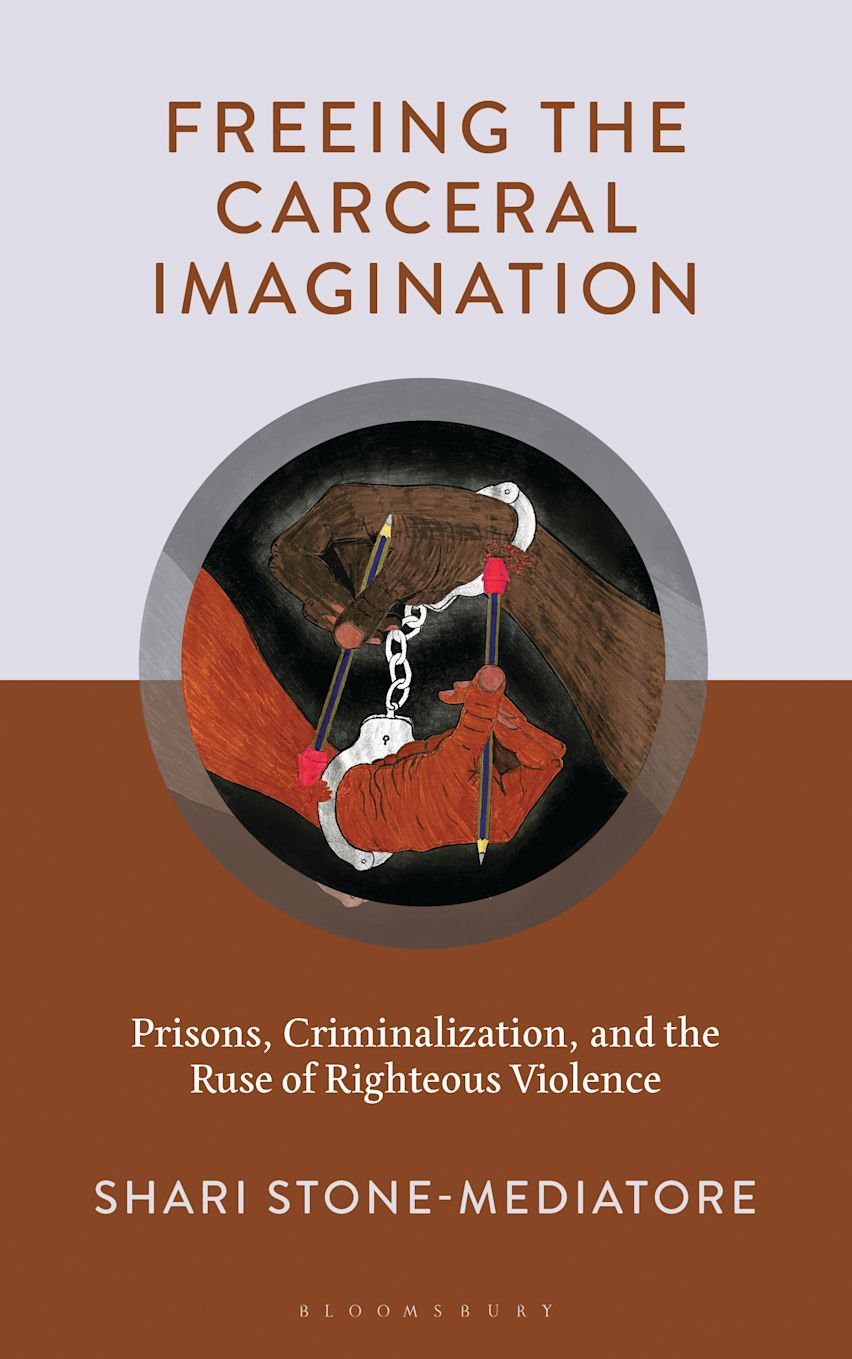
Freeing the Carceral Imagination
Prisons, Criminalization, and the Ruse of Righteous Violence
Buying pre-order items
Your pre-order item will usually be processed for shipping shortly before the publication date.
Payment for this pre-order will be taken when the item becomes available
- Delivery and returns info
-
Free CA delivery on orders $40 or over
Description
The carceral imaginary explains Americans' stubborn attachment to or at least acceptance of prisons, both in the hyperbolic tough-on-crime practices and in seemingly progressive sectors.
Joining a critical reading of John Locke with theorists of storytelling, the imaginary, decolonial theory, and carceral logic, Shari Stone-Mediatore brings new philosophical resources to bear on the question of how Americans have become so attached to punishment-based social policies despite the failure of our vast network of prisons to protect us from harm. Stone-Mediatore argues that, alongside the political and economic forces driving prison expansion, a carceral imaginary in which we have become deeply invested emotionally has bonded our imaginations to carceral myths and prevented us from thinking meaningfully about safety and justice. Tracing a pattern in the violence-rationalizing myths studied by Frantz Fanon, Enrique Dussel, James Baldwin, and Ida B. Wells, Stone-Mediatore develops a theory of the righteous-violence imaginary. Viewing contemporary U.S. punitiveness-which has led to the incarceration of nearly two million Americans in 6,000 jails and prisons across the country-through this lens, she elucidates the structure of our carceral imaginary and how it embroils us in ever more needs for violence and mythmaking.
Stone-Mediatore explores how stories that take us on journeys with those on the other side of prison walls can help unsettle the masonry of carceralism and build support for safety practices that do not perpetuate trauma and abuse but advance our mutual healing.
Table of Contents
Chapter 1. Carceral Logic
Chapter 2. Modern/Carceral Visions
Chapter 3. Storytelling and the Imaginary
Chapter 4. Liberal Dreams, Suburban Nightmares, and Carceralism as Story
Chapter 5. Imaginaries of Righteous Violence
Chapter 6. Carceralism as Righteous Violence
Chapter 7. Unlocking our Imaginations
Postscript
Bibliography
Index
Product details

| Published | Sep 03 2026 |
|---|---|
| Format | Hardback |
| Edition | 1st |
| Pages | 214 |
| ISBN | 9781666958270 |
| Imprint | Bloomsbury Academic |
| Dimensions | 229 x 152 mm |
| Publisher | Bloomsbury Publishing |

Reviews
Related Titles