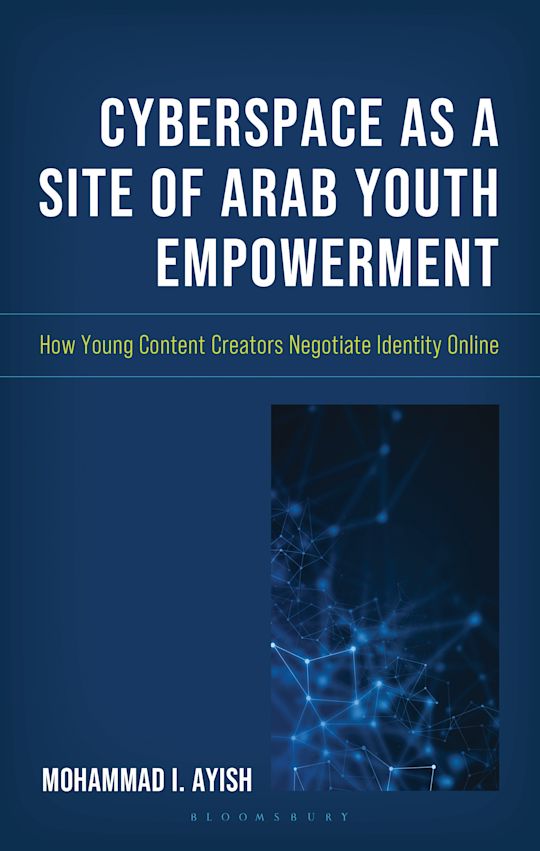
Cyberspace as a Site of Arab Youth Empowerment
How Young Content Creators Negotiate Identity Online

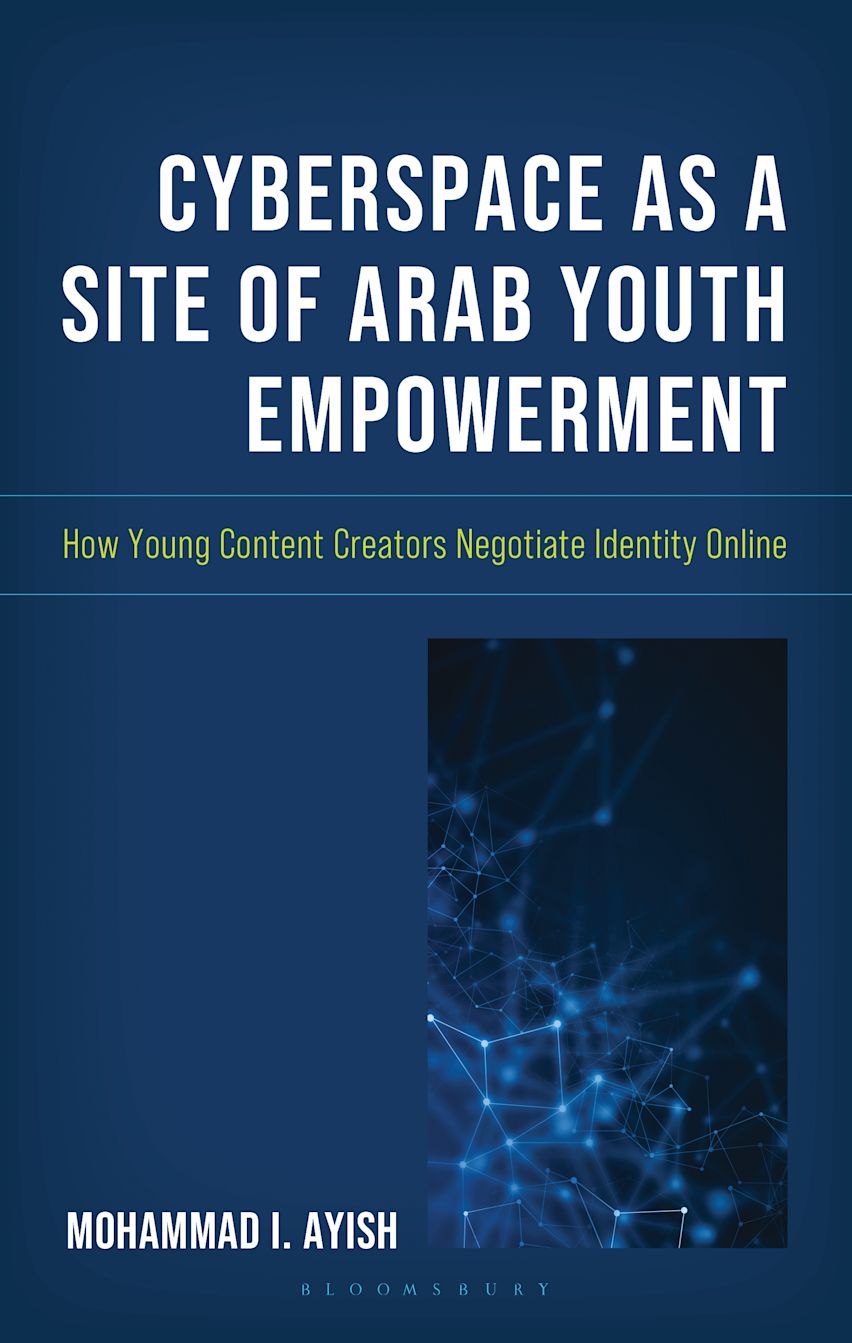
Cyberspace as a Site of Arab Youth Empowerment
How Young Content Creators Negotiate Identity Online
Buying pre-order items
Your pre-order item will usually be processed for shipping shortly before the publication date.
Payment for this pre-order will be taken when the item becomes available
- Delivery and returns info
-
Free CA delivery on orders $40 or over
Description
In this book, Mohammad I. Ayish examines how young Arab content creators use digital platforms to consciously negotiate identity through visual storytelling.
Drawing on a multi-method study that combines surveys, in-depth interviews, visual content analysis, and mini case studies, the author argues that cyberspace has emerged as a critical site of youth empowerment rather than mere self-promotion or entertainment. Focusing on creators active on platforms such as Instagram, TikTok, and YouTube, Ayish demonstrates that Arab youth strategically blend individual self-expression, cultural heritage, and global media aesthetics to construct hybrid identities suited to a rapidly transforming social environment. Rather than treating hybridity as cultural dilution, the study conceptualizes it as an agent-driven process shaped by choice, reflexivity, and ethical awareness.
Situated within broader historical contestations of Arab identity, demographic youth pressures, and accelerating digital transitions, the book highlights how young creators navigate tensions between visibility and vulnerability, authenticity and performance, and local belonging and global reach. By foregrounding visual storytelling as a key mechanism of identity negotiation, the book offers new theoretical and empirical insights into youth agency, digital culture, and mediated self-presentation in the contemporary Arab world.
Table of Contents
Preface
Introduction
1. Understanding Youth Identity Negotiations in Cyberspace
2. Arab Identity: From Contestation to Negotiation
3. The Arab World's Youth Bulge: Catalyzing Identity Negotiation in Cyberspace
4. Digital Transitions in the Arab World: Driving Youth Identity Negotiation
5. Youth Identity Negotiation in Digital Spaces: The View from the Young Creators
6. Youth Identity Negotiation in Digital Spaces: The View from the Screen
7. Arab Youth in Cyberspace: Empowerment, Challenges, and Future Pathways
Appendix 1
Appendix 2
References
About the Author
Index
Product details

| Published | Dec 10 2026 |
|---|---|
| Format | Hardback |
| Edition | 1st |
| Pages | 240 |
| ISBN | 9781666949889 |
| Imprint | Bloomsbury Academic |
| Illustrations | 10 bw illus |
| Dimensions | 229 x 152 mm |
| Publisher | Bloomsbury Publishing |
Reviews
Related Titles