Think Like a Scientist
A Toolkit for Tackling Life's Overwhelming Questions and Making Great Decisions
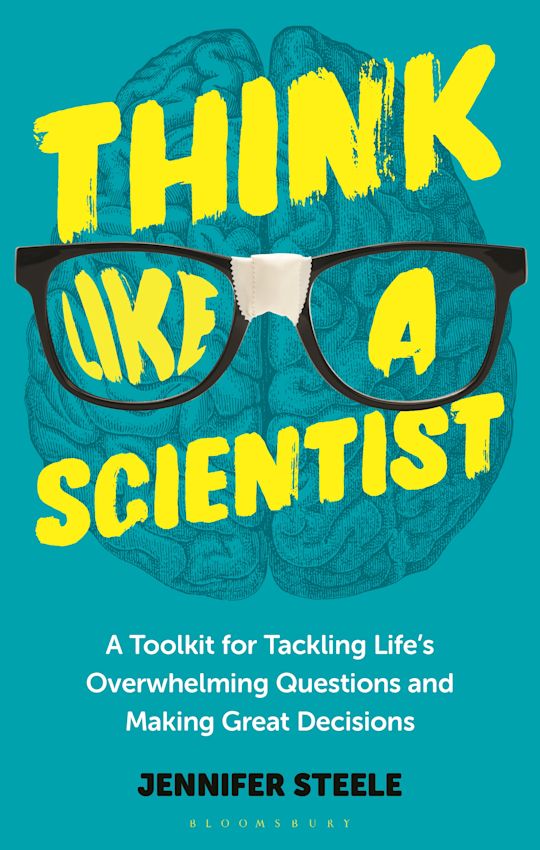

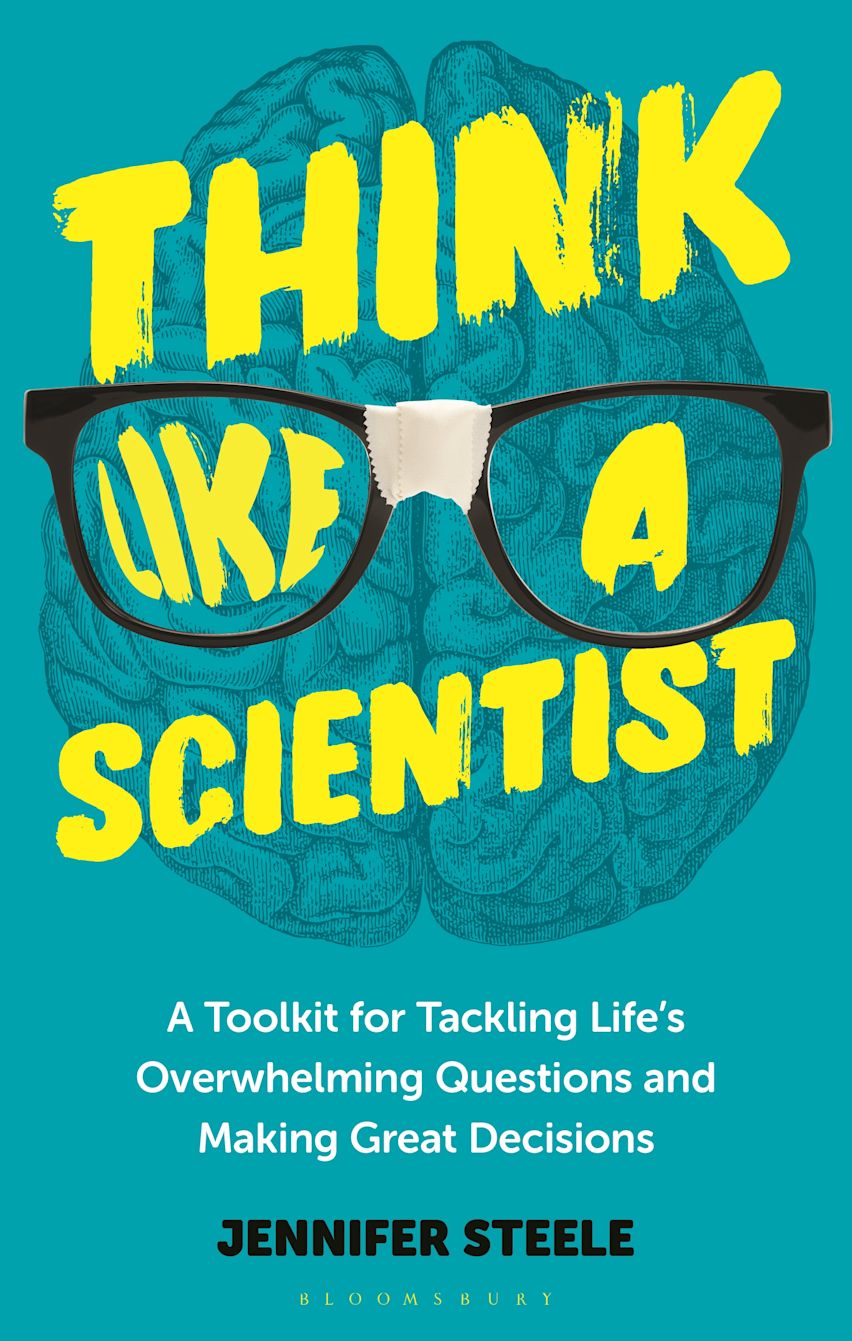
Think Like a Scientist
A Toolkit for Tackling Life's Overwhelming Questions and Making Great Decisions
Buying pre-order items
Your pre-order item will usually be processed for shipping shortly before the publication date.
Payment for this pre-order will be taken when the item becomes available
- Delivery and returns info
-
Flat rate of $10.00 for shipping anywhere in Australia
Description
Have you ever looked at your life and said, “How do I fix this mess?”
The secret to fixing the mess turns out not to be hot baths, or hot tea, or even hot yoga. Commonsense notions can be useful, but they can sometimes lead us astray. Common sense refers to our instincts and socially influenced beliefs about how things work. It is a vital tool for making decisions, but it's also incomplete.
Think of the dodo bird. In the early 1600s, the massive dodo held dominion over the island of Mauritius. Ninety years after crossing paths with people, it was extinct, done in by its instincts and norms-in essence, its own common sense. In our own times of change and uncertainty-job losses, medical crises, breakups, or just crises of confidence-we need something different. That something is uncommon sense, which is to say, scientific thinking.
If it sounds like something you learned in high school, think again. Uncommon sense is uncommon because most of us weren't taught how to do it. A powerful technology for managing uncertainty, it blends scientific research with practical wisdom to help us navigate hard decisions and make peace with past mistakes. It doesn't tell us what to do but helps us understand the risks and benefits of each choice, guided always by our own values.
Research methodologist Jennifer Steele harnesses lessons from teaching scientific methods to skeptics. She describes real-life dilemmas like how to how to handle conflicting medical advice, learn hard skills, manage disease risk, decide on colleges and careers, find healthy love, save for the future, and dial down the drama. This is a playbook about wrangling hard questions and getting an edge in figuring out our lives.
Table of Contents
Chapter 2: Should you fill a prescription for magical thinking?
Chapter 3: How to learn hard things
Chapter 4: Do vaccines turn us into sheep?
Chapter 5: Is college for dupes?
Chapter 6: How to find your calling while broke
Chapter 7: Should I stay or should I go?
Chapter 8: Do you believe in life after work?
Chapter 9: How to fix your life
Chapter 10: Claiming our human inheritance
Product details
| Published | 04 Feb 2027 |
|---|---|
| Format | Hardback |
| Edition | 1st |
| Pages | 272 |
| ISBN | 9798216375920 |
| Imprint | Rowman & Littlefield |
| Dimensions | 229 x 152 mm |
| Publisher | Bloomsbury Publishing |
Reviews
Related Titles