

This product is usually dispatched within 2-4 weeks
- Delivery and returns info
-
Flat rate of $10.00 for shipping anywhere in Australia
Description
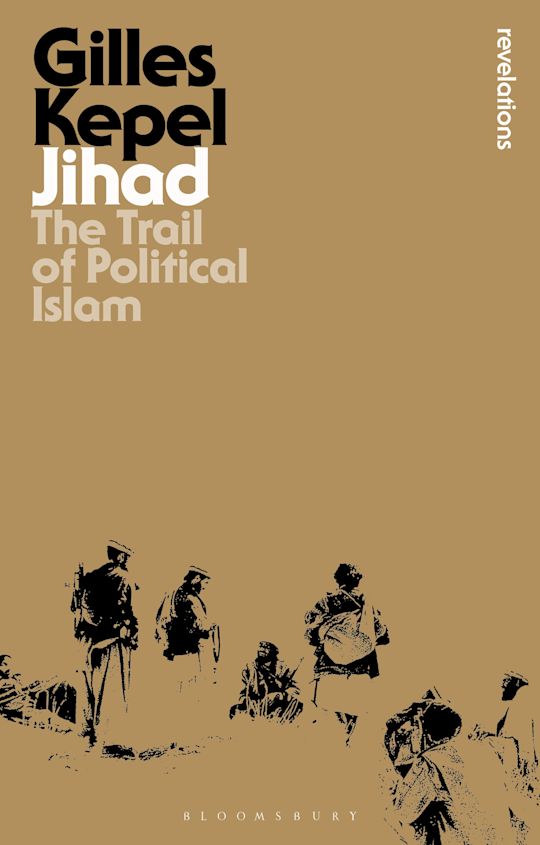
A landmark study of the rise of Islamic extremism, Jihad follows the history and spread of this new political-religious phenomenon from its beginnings as a militant rebellion in the Middle East during the 1970s to its culmination in a devastating onslaught on the West in 2001. Gilles Kepel explains how their jihad – or 'Holy Struggle' – aimed to establish a global Islamic state based solely on a strict interpretation of the Qur'an clashes with the values of Western democracies. Kepel's exploration of Jihadism is informed by his journeys throughout the Muslim world to gather documents, interviews and archival material inaccessible to most scholars.
Table of Contents
Part I Expansion
1. A Cultural Revolution
2. Islam in the Late 1960s
3. Building Petro-Islam on the Ruins of Arab Nationalism
4. Islamism in Egypt, Malaysia, and Pakistan
5. Khomeini's Revolution and Its Legacy
6. Jihad in Afghanistan and Intifada in Palestine
7. Islamization in Algeria and the Sudan
8. The Fatwa and the Veil in Europe 185
Part II Decline
9. From the Gulf War to the Taliban Jihad
10. The Failure to Graft Jihad on Bosnia's Civil War
11. The Logic of Massacre in the Second Algerian War
12. The Threat of Terrorism in Egypt
13. Osama bin Laden and the War against the West
14. Hamas, Israel, Arafat, and Jordan
15. The Forced Secularization of Turkish Islamists
Conclusion
Notes
Glossary
Maps
Abbreviations
Index
Product details

| Published | 11 Mar 2021 |
|---|---|
| Format | Paperback |
| Edition | 5th |
| Extent | 448 |
| ISBN | 9781350148598 |
| Imprint | Bloomsbury Academic |
| Dimensions | 216 x 138 mm |
| Series | Bloomsbury Revelations |
| Publisher | Bloomsbury Publishing |
Reviews
Related Titles