Development After Globalization
Theory and Practice for the Embattled South in a New Imperial Age


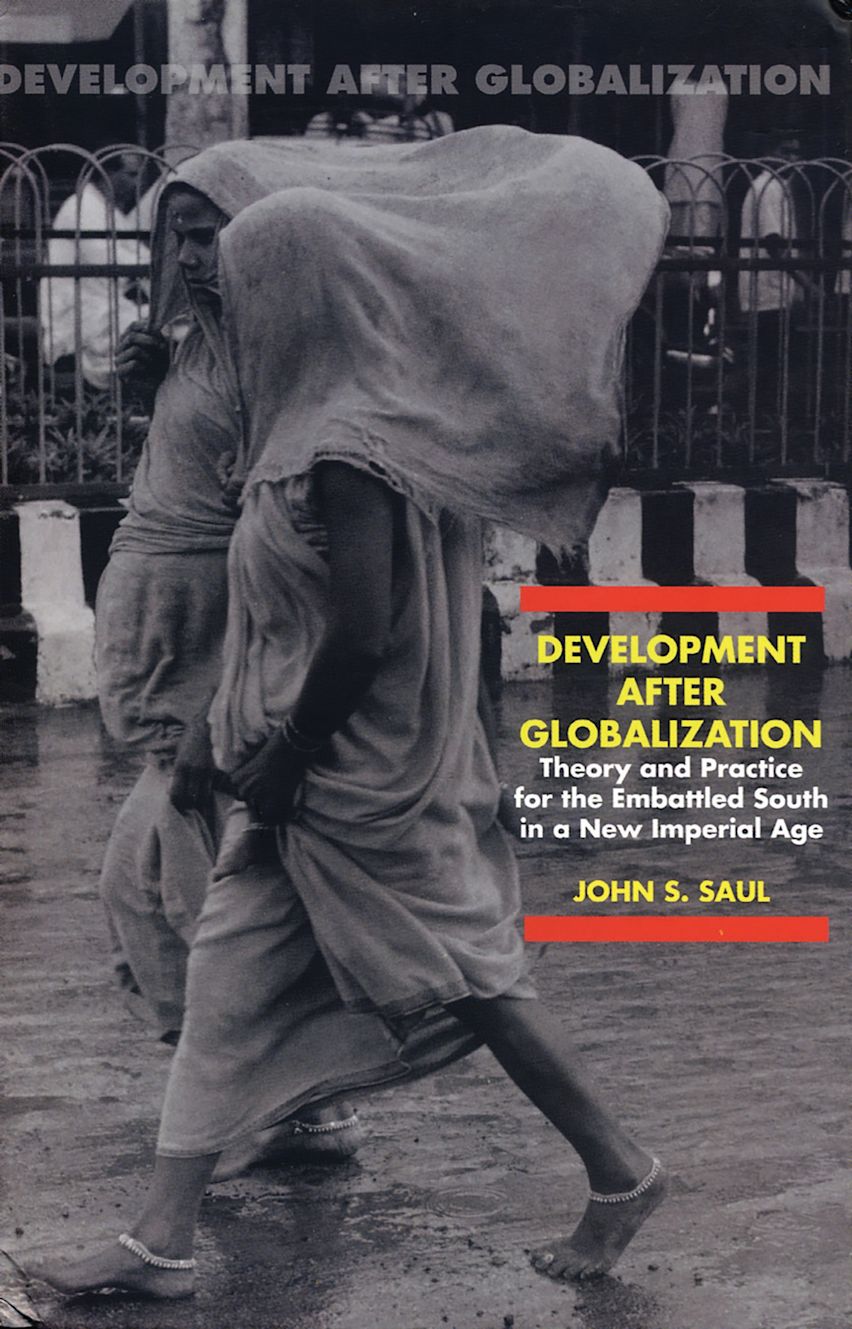
Development After Globalization
Theory and Practice for the Embattled South in a New Imperial Age
Please note that this product is not available for purchase from Bloomsbury websites.
Description
This reflection on the situation in the countries of the global South examines their shared but diverse experiences of the hard facts of poverty and exclusion in the world of capitalist globalization. It probes the reality of 'underdevelopment' in an unequal world, driven by western power and capitalist profit-seeking and supported by inequalities within the countries of the 'Third World' themselves. John Saul suggests fresh ways to consider the dynamics of this situation, and seeks to rethink the ways of linking a class-based struggle with the progressive demands of gender equality and identity politics. He looks towards a synthesis of democratic, socialist, and anti-imperialist sensibilities and invites scholars and activists alike to involve themselves in the kind of intellectual activism that can underpin local, national, regional and global struggles.
Table of Contents
1. Dependency - Coauthored with Colin Leys
2. Globalization, Imperialism, Development: False Binaries and Radical Resolutions
3. Identifying Class, Classifying Difference
4. The Struggle, Intellectual and Political, Continues
5. Conclusion: Reviving Development Theory as Continuing Anti-Imperialist Resistance and Local Revolutionary Practice
Product details
| Published | 30 Jun 2006 |
|---|---|
| Format | Paperback |
| Edition | 1st |
| Extent | 160 |
| ISBN | 9781842777534 |
| Imprint | Zed Books |
| Dimensions | Not specified |
| Publisher | Bloomsbury Publishing |
Reviews
Related Titles