
Buying pre-order items
Your pre-order item will usually be processed for shipping shortly before the publication date.
Payment for this pre-order will be taken when the item becomes available
- Delivery and returns info
-
Flat rate of $10.00 for shipping anywhere in Australia
Description
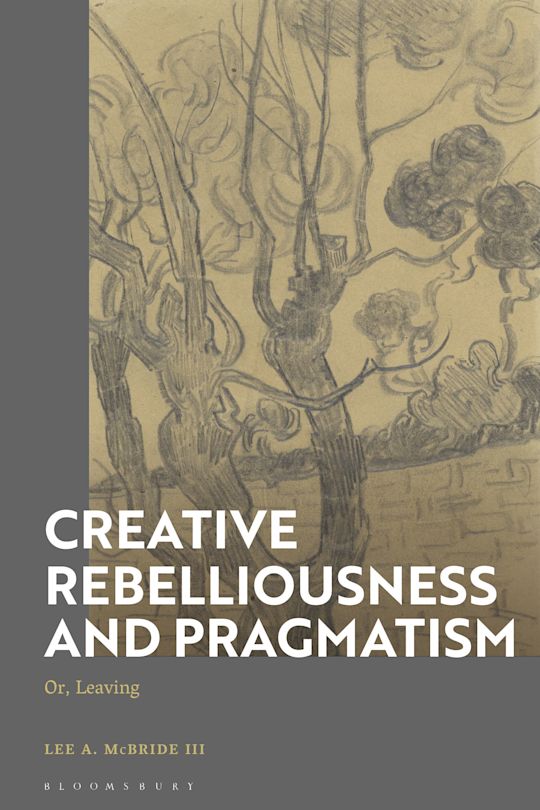
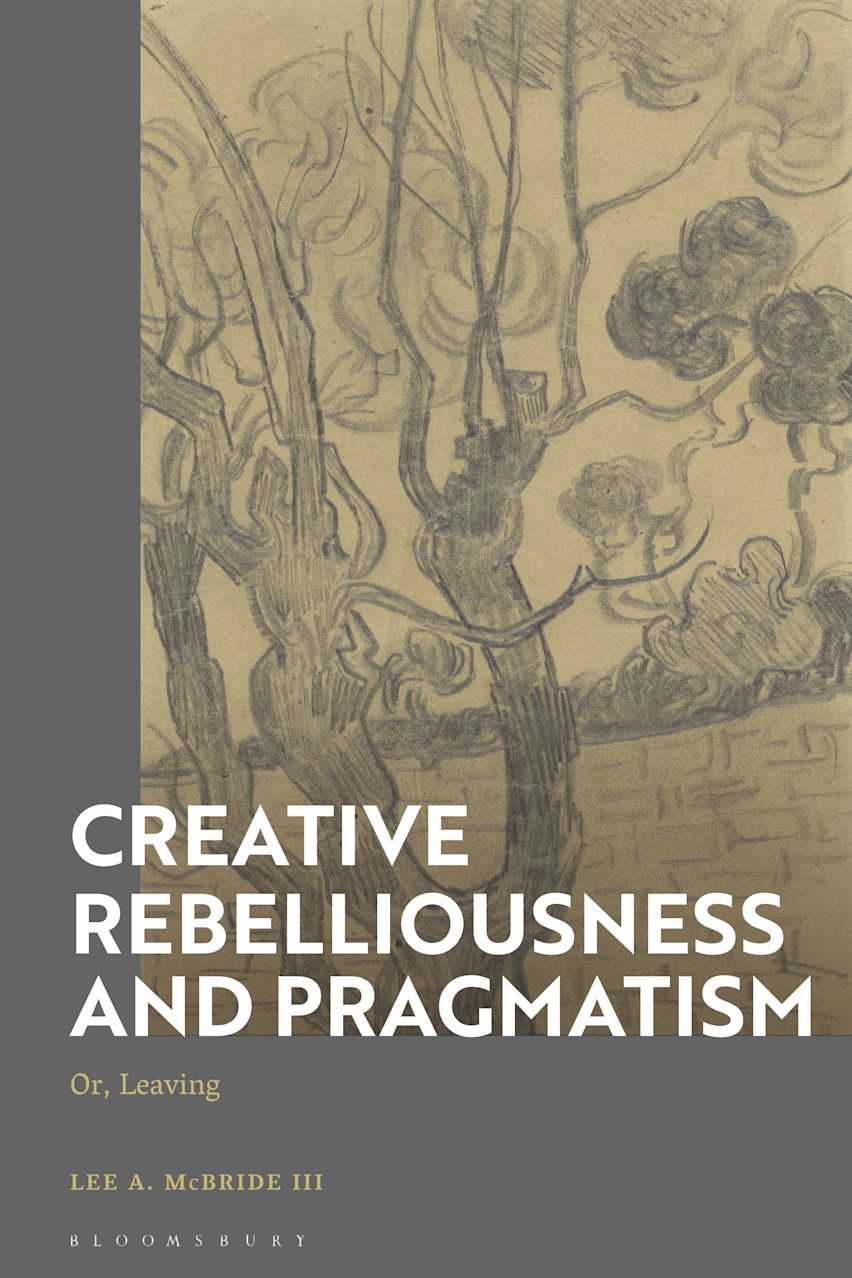
A leading voice in contemporary pragmatism presents a 21st-century presentation and interpretation of the tradition from the point of view of oppressed populations.
Lee A. McBride III urges us to analyze the epistemological boundaries and intervening logics that ensnare us in this order of things and breach them. This powerful and eye-opening approach takes its impetus from Leonard Harris's philosophy born of struggle.
By connecting different philosophical perspectives, McBride offers fresh ways to think about philosophies of struggle. He helps us to size up and challenge those existing epistemological systems that reinforce and reproduce oppression; he proffers a tenable pragmatic naturalized epistemology from which one can make assertive fallibilist claims; he helps us to reenvision our bonds and ties to other beings and the land; he describes the role of immersive affective experiences, poetry, and Dionysian poiesis (making) in leaving the existing systems of knowledge. Each foray develops a way of (re)imagining our ways of being and the norms and structures within which we live. They allow McBride to draw out conceptual and imaginative tools that may assist us in creative rebelliousness, in leaving and shaping a future beyond the asylum walls.
Beautifully written, McBride's book extends the insurrectionist philosophical project in an important direction, expanding the conception of how and where insurrection needs to happen.
Table of Contents
Source Acknowledgements and Abbreviations
Introduction
1
Leaving the Existing Systems of Knowledge
2
Discernment behind Asylum Walls; Or, The Limits of Efficacious Reasoning
3
Epistemology Naturalized and the Conceptual Systems in the Cupboard
4
(Re)imagining Our Bonds and Ties
5
Poetry and Well-Patterned Language (in Philosophy)
6
Dionysian Poiesis and Demonic Grounds; Or, Creative Rebelliousness and Method-Making
7
The Task of Nonreplication; Or, Leaving
Index
Product details

| Published | 12 Nov 2026 |
|---|---|
| Format | Hardback |
| Edition | 1st |
| Pages | 176 |
| ISBN | 9781350594272 |
| Imprint | Bloomsbury Academic |
| Dimensions | 216 x 138 mm |
| Publisher | Bloomsbury Publishing |
Reviews
Related Titles